

The global eyewear manufacturing landscape is dominated by four legendary production hubs: Belluno, Italy; Sabae, Japan; Daegu, South Korea; and Wenzhou (Ouhai), China. Together, these four cities produce the vast majority of the world’s eyewear. But they are not interchangeable. Each hub has distinct strengths, specializations, and cost structures that make it more or less suitable for different types of buyers. This analysis provides the honest comparison that most sourcing guides avoid.
The Four Eyewear Capitals: At a Glance
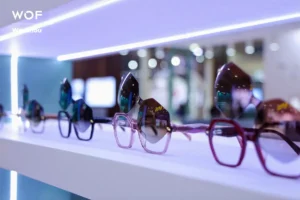
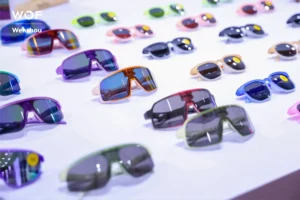
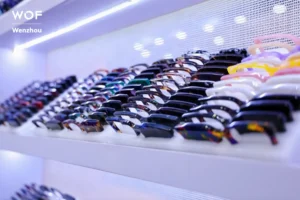
Wenzhou (Ouhai), China
Strengths
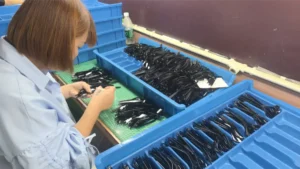
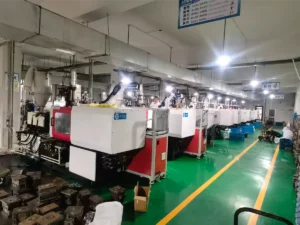
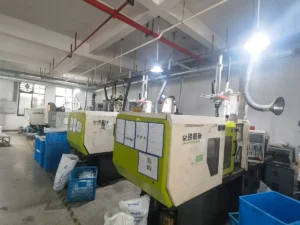
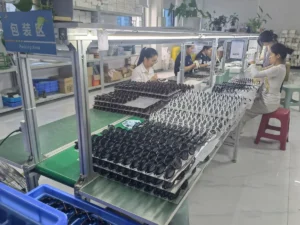
Complete supply chain — Every component and process is available within a 20km radius, from raw materials to precision packaging.
Unmatched price competitiveness — FOB prices are 50–80% below Italian equivalents for comparable quality.
Flexible MOQs — Trial orders as low as 100 pieces per style enable low-risk market testing.
Speed — Sample development in 7–14 days; mass production in 30–45 days.
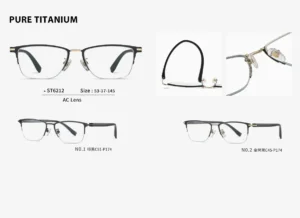
Full material range — Metal, acetate, TR-90, titanium, and injection-molded—leading manufacturers like WenzhouFrame produce all major frame categories.
International partnerships — Strategic cooperation with Belluno; top-tier Wenzhou factories serve global brands like Fielmann, MANGO, and Luxottica.
Belluno, Italy
Strengths
- Luxury heritage — “Made in Italy” commands premium positioning globally
- Design leadership — Belluno sets trends that other hubs follow
- Craftsmanship reputation — Hand-finishing techniques passed through generations
- Brand association — Produces for the world’s most prestigious luxury eyewear brands
Limitations
- Cost—FOB prices 3–10× higher than Wenzhou for similar frame types
- High MOQs—typically 500+ pieces per style, limiting accessibility for emerging brands
- Longer lead times—60–90 days for production
- Limited flexibility on design changes during production
Sabae, Japan
Strengths
- Titanium mastery — Unmatched precision in titanium frame manufacturing, particularly ultra-lightweight designs
- Quality obsession — Japanese quality standards are among the world’s most rigorous
- Innovation — Leading development in new materials, hinge mechanisms, and precision components
Limitations
- Highest cost—titanium frames from Sabae can cost 5–15× Wenzhou equivalents
- Smaller production capacity—fewer factories with limited output
- Language and cultural barriers for Western buyers
Daegu, South Korea
Strengths
- Fashion-forward designs — Korea’s influence in global fashion translates to trend-setting eyewear designs
- Quality-price balance — Better quality perception than China at prices below Italy/Japan
- K-beauty crossover — Strong synergy with the Korean beauty and fashion ecosystem
Limitations
- Limited supply chain depth—fewer factories than Wenzhou, less component variety
- Higher costs than Wenzhou with less volume flexibility
- Primarily focused on acetate and metal fashion frames; limited TR-90 and sports eyewear
Strategic Sourcing: The Multi-Hub Approach
Smart brands don’t choose one hub—they leverage multiple:
- Wenzhou for volume and value — Core collections, everyday frames, sports eyewear, reading glasses, and price-sensitive categories
- Italy for prestige — Limited-edition luxury styles that anchor the brand’s premium positioning
- Japan for specialty — Flagship titanium pieces that showcase technical excellence
- Korea for trend — Seasonal fashion-forward styles that capture current trends
Sourcing Gate specializes in Wenzhou manufacturing but maintains relationships with production partners in all four hubs, enabling our clients to implement multi-hub strategies seamlessly.
Frequently Asked Questions
Can Wenzhou factories match Italian quality standards?
For the vast majority of frame types—metal, acetate, TR-90, and standard titanium—yes. Wenzhou’s best factories produce for Italian and German brands that demand the same quality whether production is in Belluno or Ouhai. The gap is primarily in ultra-premium hand-finishing techniques and the “Made in Italy” brand perception, not in manufacturing capability.
Is “Made in China” a disadvantage for premium eyewear brands?
The perception gap is narrowing rapidly. Major brands like MANGO and Fielmann openly source from Wenzhou without brand damage. The key is ensuring consistent quality through proper inspection protocols—something Sourcing Gate manages through our on-site quality control team. Many successful brands use “Designed in [Country], Crafted in China” positioning to bridge the perception gap.
Need help deciding which eyewear hub fits your brand? Contact Sourcing Gate — we’ll match your quality requirements, budget, and brand positioning to the right production partners.