
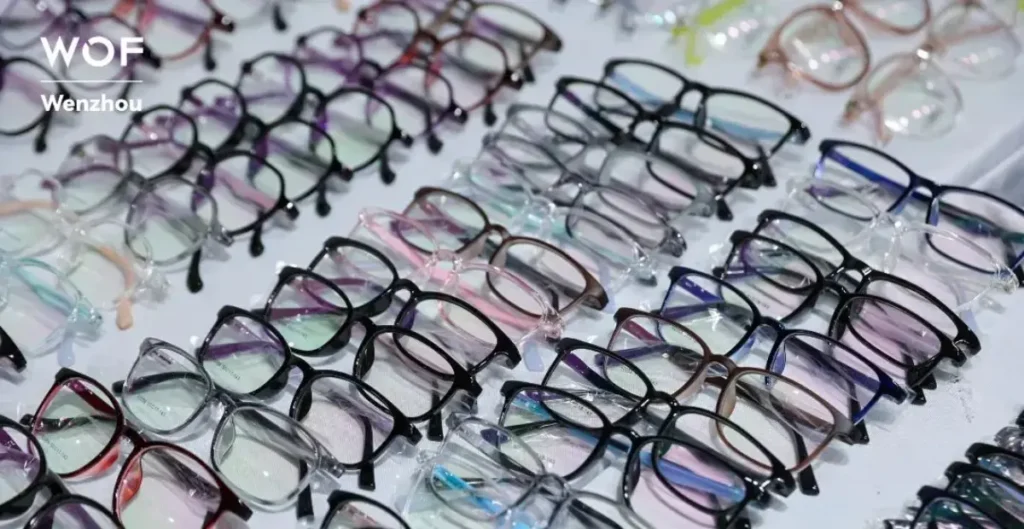
When industry insiders talk about where the world’s eyewear is made, one name comes up more than any other: Ouhai. This district in Wenzhou, Zhejiang Province, China, is the largest eyewear manufacturing cluster on the planet. It produces over 300 million pairs of glasses annually — roughly 40% of China’s total eyewear output and approximately 25% of global production.
But Ouhai is more than just a high-volume production zone. It is a complete, hyper-localized ecosystem where raw materials, custom design, precise manufacturing, compliance testing, and global logistics all operate within a tight 15-kilometer radius.
History: How Ouhai Became the World’s Eyewear Factory
Ouhai’s rise from a network of small workshops to a global manufacturing powerhouse happened in distinct waves over the last few decades.
The 1980s: Humble Beginnings
1980s
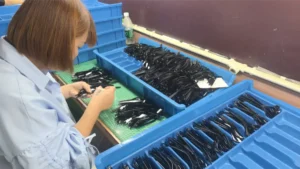
Ouhai’s eyewear industry began in small, family-run workshops. Production relied on manual bending, hand-polishing, and household-level tools. This era established the baseline artisan skills and initial supply networks that would later scale.
The 1990s: Scale-Up & Export Growth
1990s
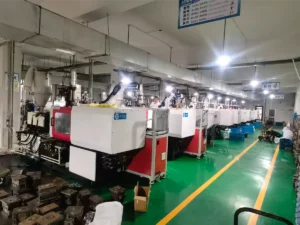
The introduction of CNC cutting machines replaced hand-sawn acetate blanks. Strategic technology transfers from Italy and South Korea modernized acetate frame production, while dedicated component suppliers sprouted up to handle hinges, screws, and nose pads. This marked the beginning of original equipment manufacturer (OEM) partnerships with European and American brands.
The 2000s-2010s: Quality & Material Transformation
2000s-2010s
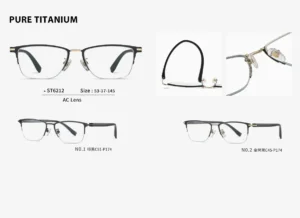
Factories widely adopted precision German and Japanese equipment, obtaining ISO 9001 certifications and setting up internal testing labs. Production shifted from cheap $0.50 frames to mid-range products ($3.00–$10.00/pair). This era also saw Ouhai master premium materials like pure titanium and beta-titanium.
2020-Present: Innovation, Sustainability & Smart Tech
2020s
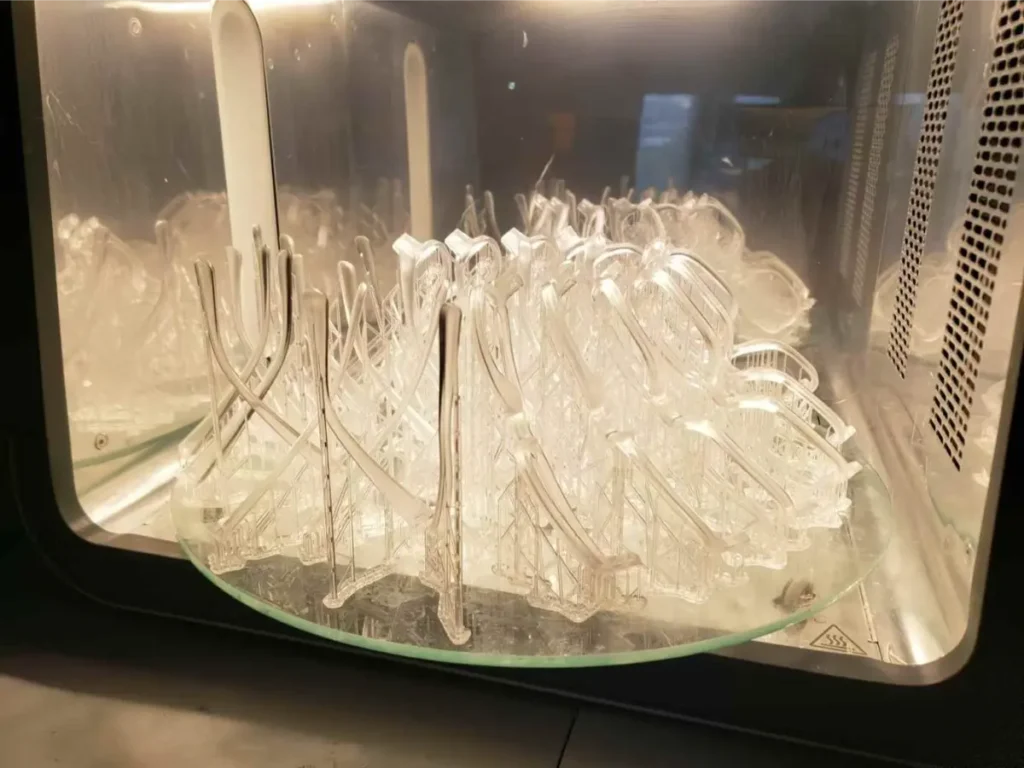
Leading facilities integrated 3D printing labs for rapid prototyping and AI-assisted design systems. Modern production emphasizes eco-friendly manufacturing using bio-acetate and recycled metals, while piloting smart eyewear programs featuring integrated audio and augmented reality (AR).
The Ouhai Ecosystem: A Complete Supply Chain Map
The true strength of Ouhai lies in its fragmented but deeply interconnected network of specialized suppliers.
1. Raw Material Suppliers
- Acetate Sheet Producers: 8–10 major factories inside Ouhai holding thousands of pattern blocks. Custom colors require a low 200kg minimum order quantity (MOQ).
- Titanium Distributors: 3–5 specialized suppliers sourcing pure and beta-titanium wire directly from Baoji (China’s titanium capital).
- TR90 & Plastics: Local inventory hubs distribute high-grade polymers from international suppliers like EMS-Grivory alongside domestic alternatives.
2. Component Manufacturers
- Hinges & Hardware: Over 20 dedicated hinge factories producing everything from standard barrel options to flexible spring hinges and titanium joints.
- Screws & Fasteners: Highly standardized across the cluster using durable stainless steel and titanium alloys.
- Nose Pads & Tips: Specialized operations producing silicone, PVC, titanium pads, and customized temple tips.
3. Frame Manufacturing Tiers
| Factory Category | Profile & Capability | Typical MOQ |
| Tier 1 (15–20 Factories) | Full-service, advanced CNC, internal polishing, automated QC, and strong English-speaking export teams. Optimized for global brands. | 200–300 pairs per style |
| Tier 2 (50–80 Factories) | Strong mid-range manufacturing, specialized capabilities, and solid quality controls. | 100–200 pairs per style |
| Tier 3 (200+ Workshops) | Small, highly flexible operations. Ideal for low-budget or tight-deadline component processes, but limited in independent project management. | Highly negotiable |
4. Lenses, Testing & Compliance
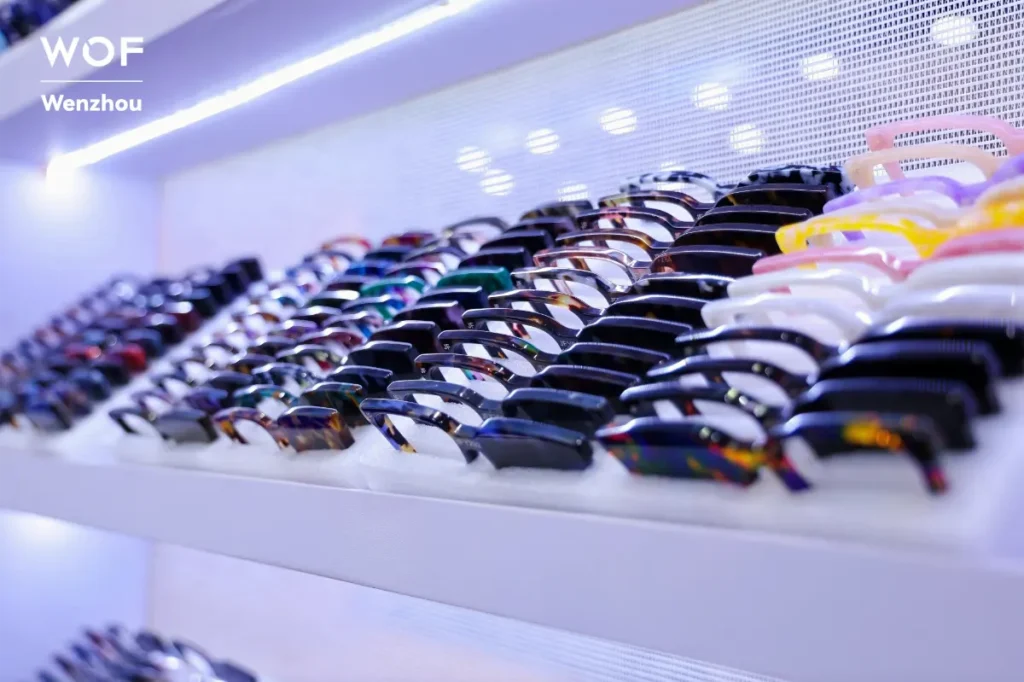
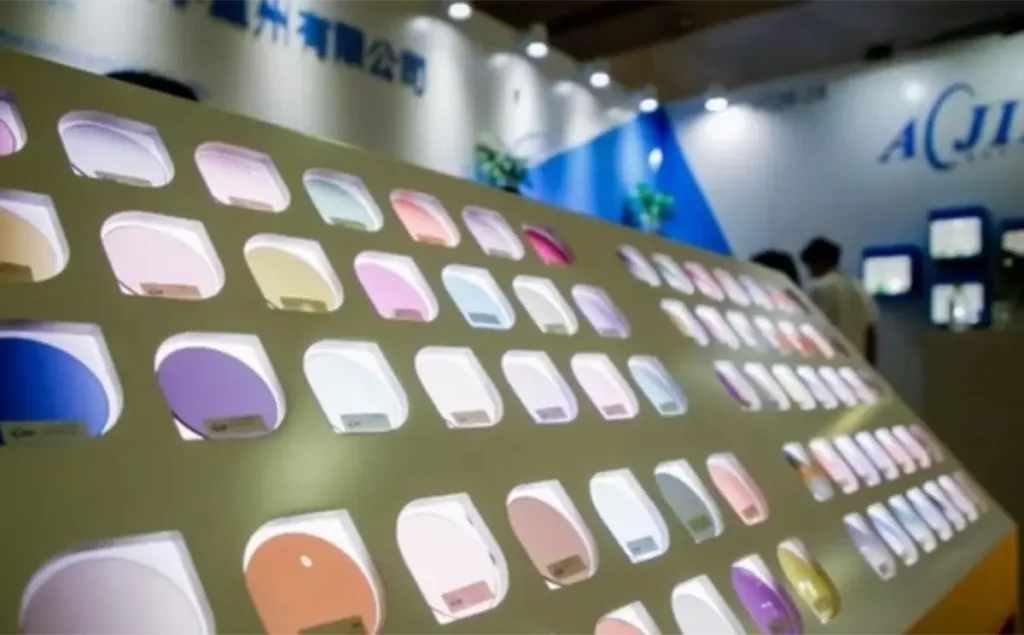
The cluster hosts 15–20 lens factories producing CR-39, polycarbonate, TAC polarized, and progressive lenses. To guarantee global export readiness, 5–8 accredited testing laboratories evaluate frames locally against international benchmarks:
- Impact Resistance: ANSI Z87.1 (US) and EN 166 (Europe)
- Chemical & UV Safety: REACH Compliance, EN 16128 (Nickel release), and ISO 12312-1 (UV protection)
Competitive Advantages vs. The Challenges
The Advantages
- Unmatched Speed: Sample development takes just 5–10 days compared to 3–4 weeks in isolated manufacturing zones. If a design needs a different hinge, the supplier can deliver a variation within minutes.
- Compounded Cost Efficiency: Eliminating long-distance logistics between the raw material, molding, plating, and assembly stages results in a 10–20% lower total cost compared to scattered supply chains.
- Technical Knowledge Base: Decades of pure focus mean engineers and factory technicians bring deep, tribal knowledge of eyewear geometry and material behavior.
The Limitations & Risks
- The Ultra-Premium Gap: While Ouhai excels at high-quality mid-to-high-tier titanium, premium artisanal Japanese factories still hold a slight edge in ultra-luxury finishes.
- Design Copying: The proximity of competing workshops means design leaks can happen. It is vital to use strict Non-Disclosure Agreements (NDAs) and register your intellectual property early.

How to Successfully Access the Ouhai Cluster
Navigating a cluster of over 500 registered factories and countless sub-workshops can be overwhelming without a strategic approach.
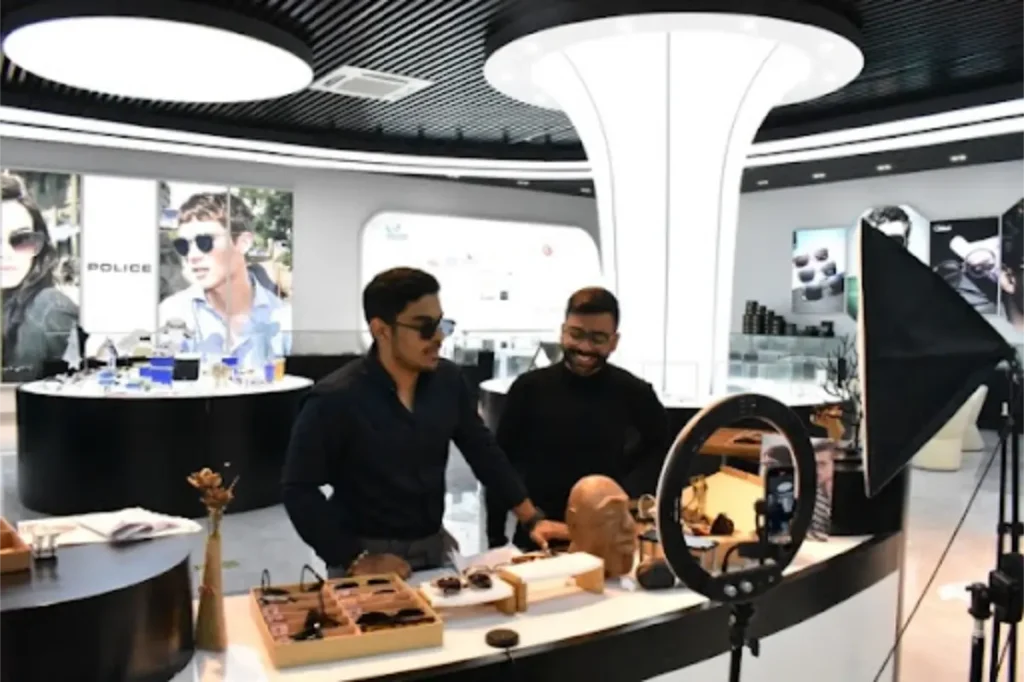
- Partner with a Specialized Sourcing Agent: Local boots on the ground bridge the language barrier, navigate imprecise industrial addresses, and vet factory claims.
- Utilize Vetted Factory Networks: For buyers looking for immediate, optimized production, Wenzhouframe is our core partner factory. After analyzing and auditing the vast majority of workshops in Wenzhou, we selected them as the most cost-effective facility with the most reliable quality control. Through our deep collaboration, we can match diverse target markets, custom price points, and custom frame designs to ensure your product line remains highly competitive.
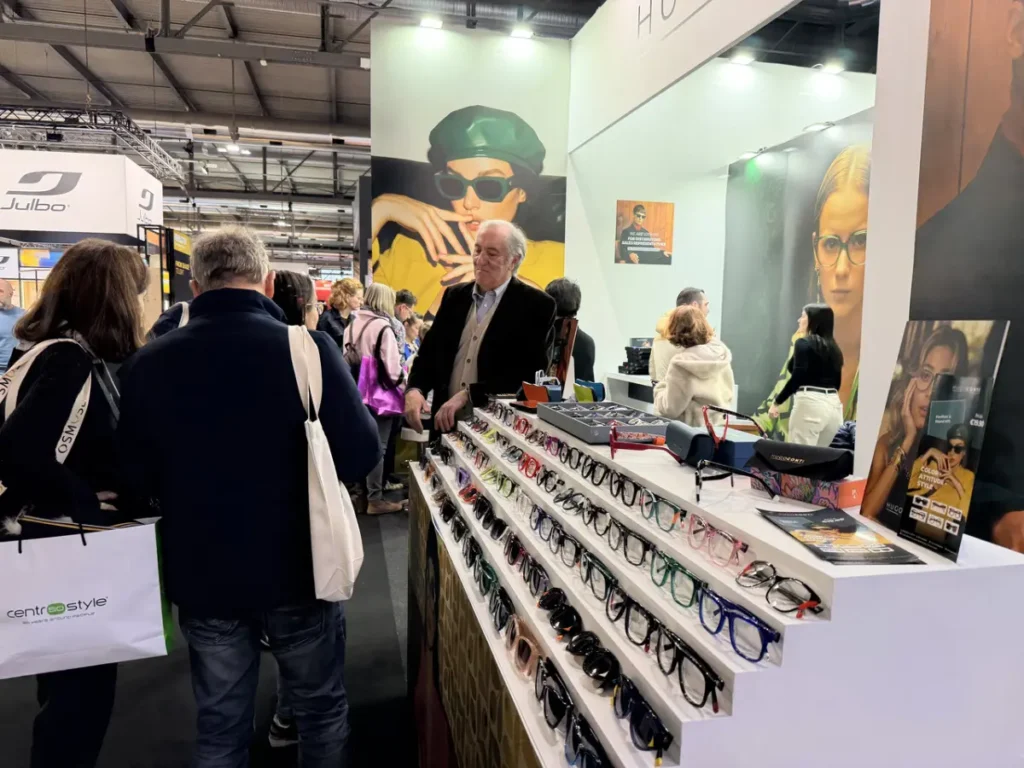
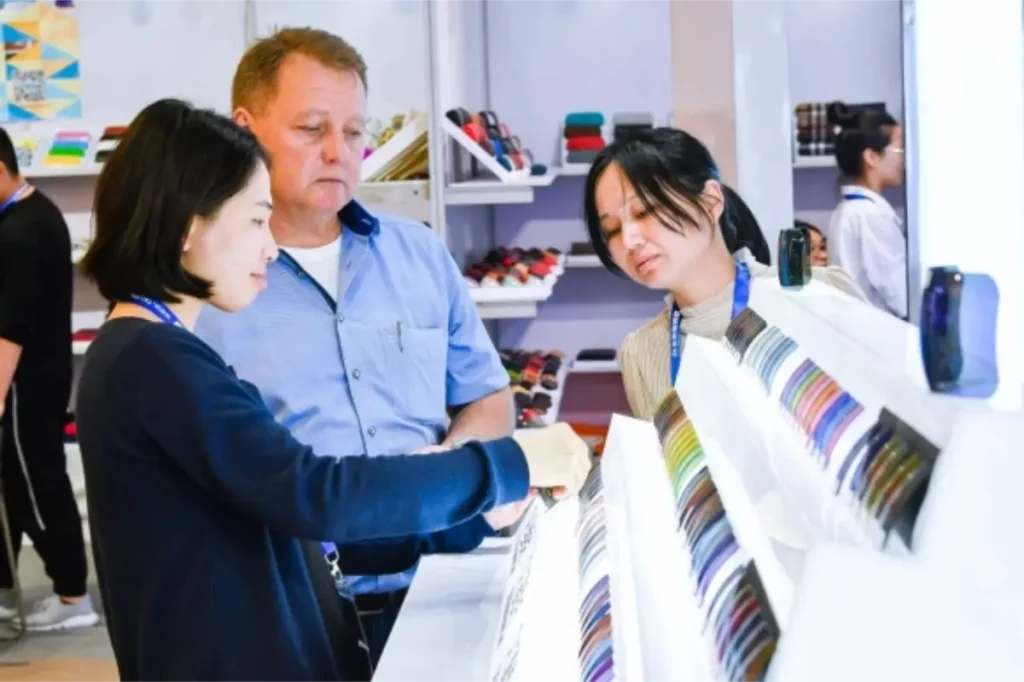
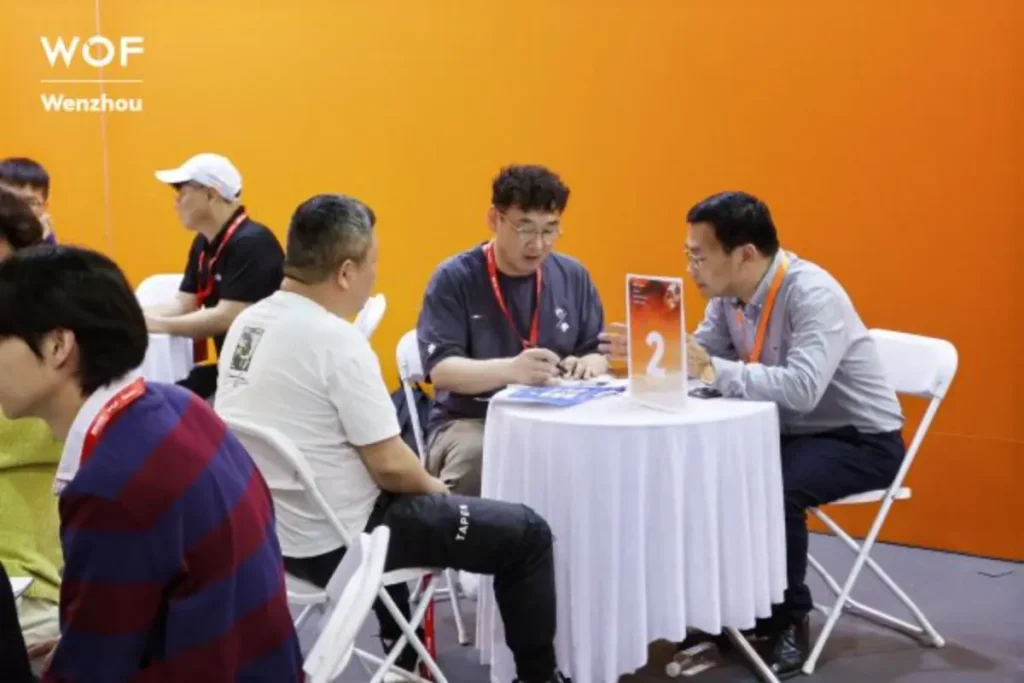
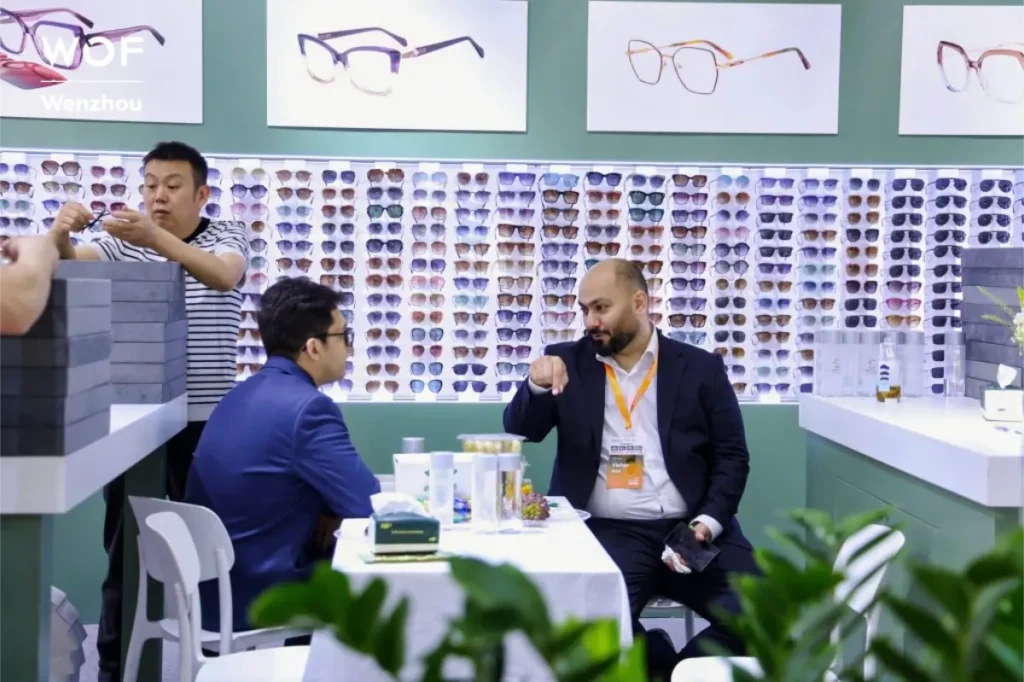
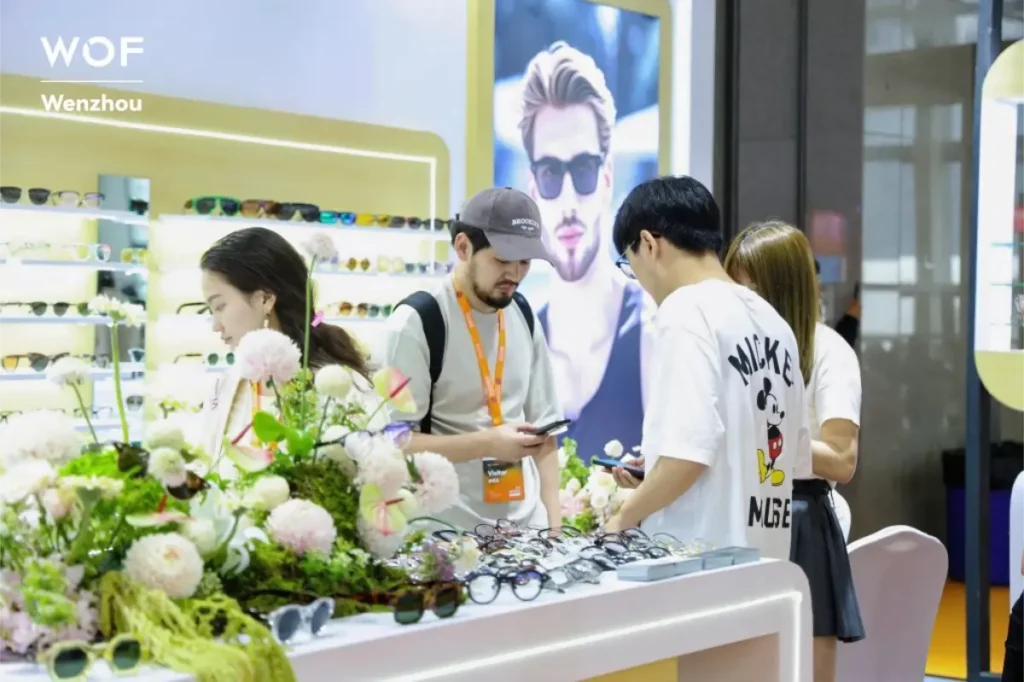
- Visit the Trade Shows: The most efficient way to survey the local supply chain in a few days is to attend the annual China Wenzhou International Optics Fair (WOF), which brings hundreds of the region’s top exporters together under one roof.
- Benchmark with Samples: Always split initial prototyping among 3–5 shortlisted factories to accurately compare their real-world speed, tolerances, and communication styles before placing bulk deposits.