
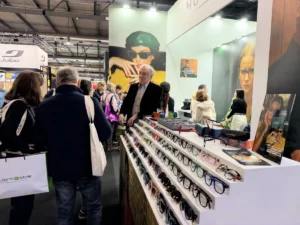
One of the most important decisions you’ll make when sourcing eyewear from China is choosing between OEM (Original Equipment Manufacturing) and ODM (Original Design Manufacturing). This choice affects everything from your brand’s creative control to your startup costs and time to market. Understanding the practical differences—and knowing when each model makes sense—can save you thousands of dollars and months of frustration.
What Is OEM Eyewear Manufacturing?
In an OEM arrangement, you provide the design and the factory manufactures it. You supply detailed specifications, technical drawings, or physical samples, and the factory produces frames according to your exact requirements.
What you provide:
- Complete design files or physical reference samples
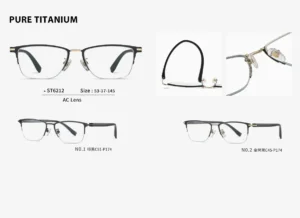
- Detailed material specifications (e.g., premium acetate, TR90, or titanium)
- Color codes (Pantone), finishing requirements, and logo placement instructions
- Packaging design and branding guidelines
What the factory provides:
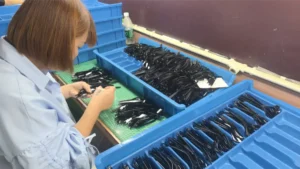
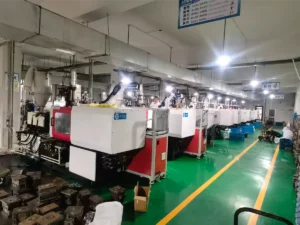
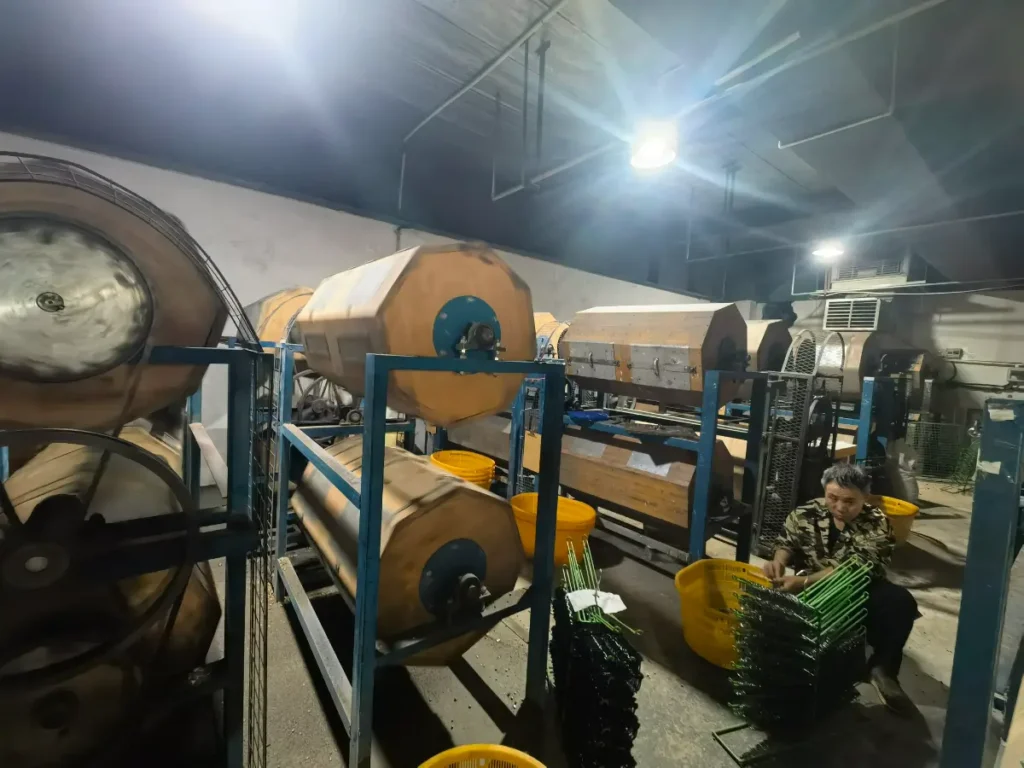
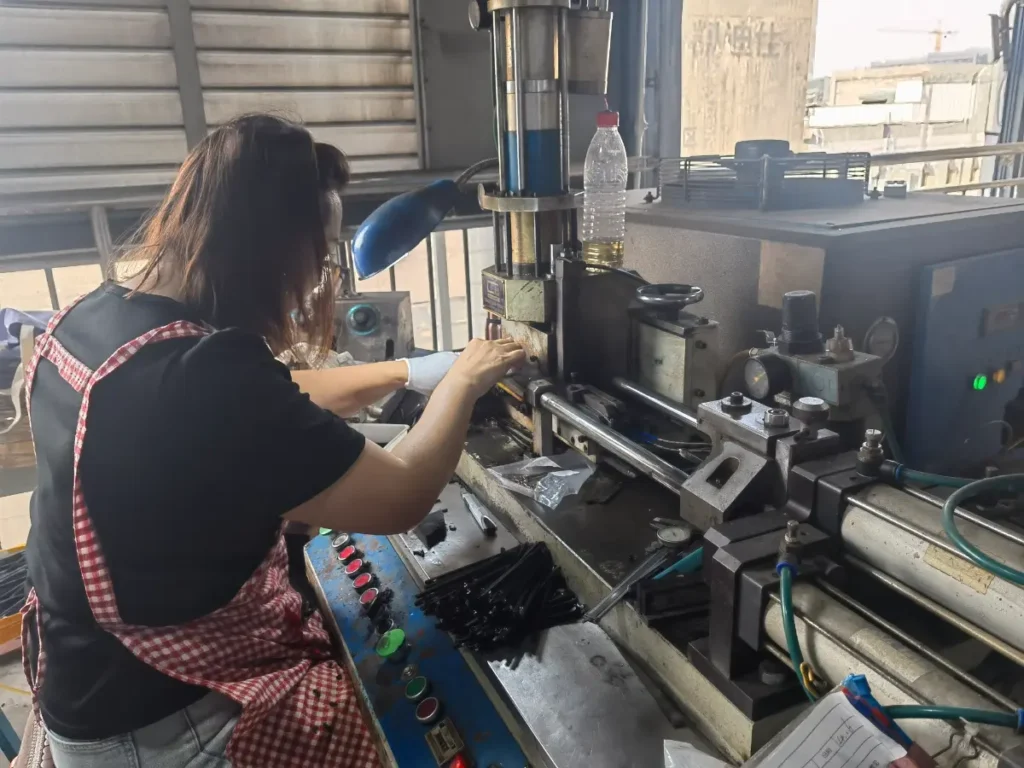
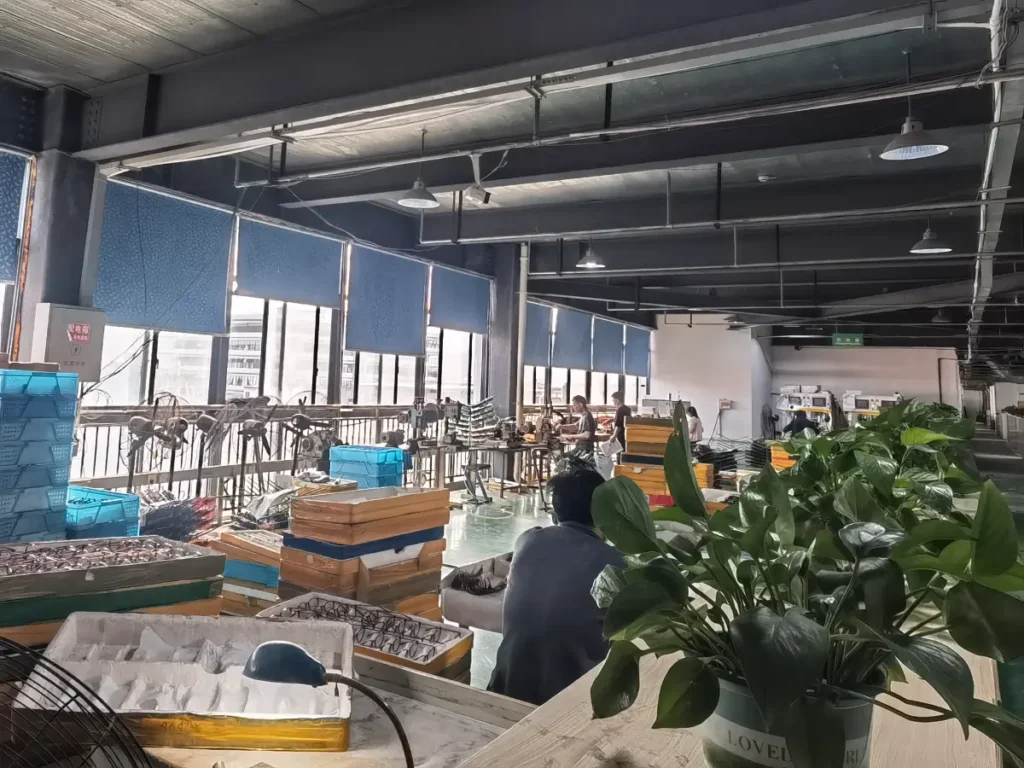
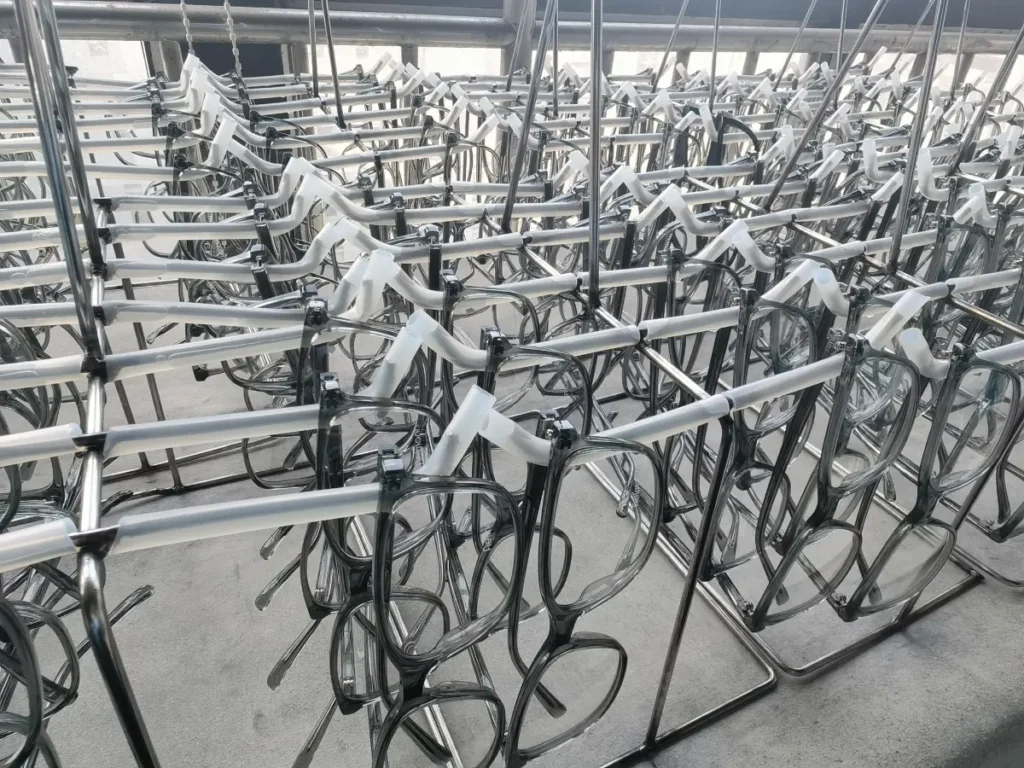
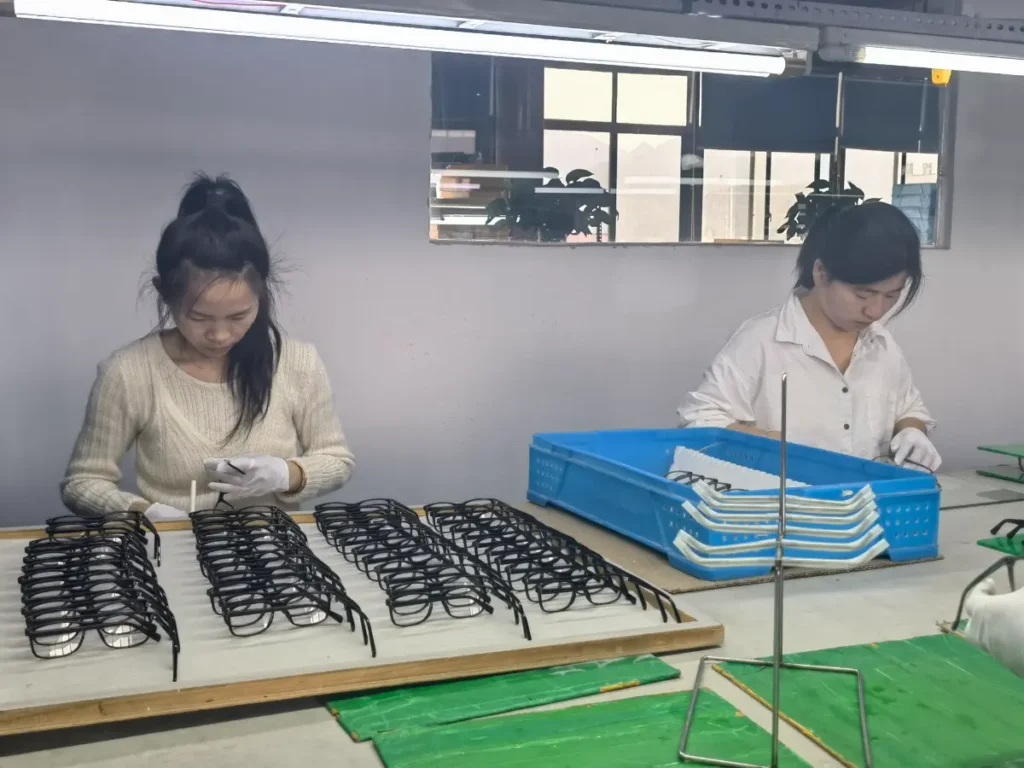
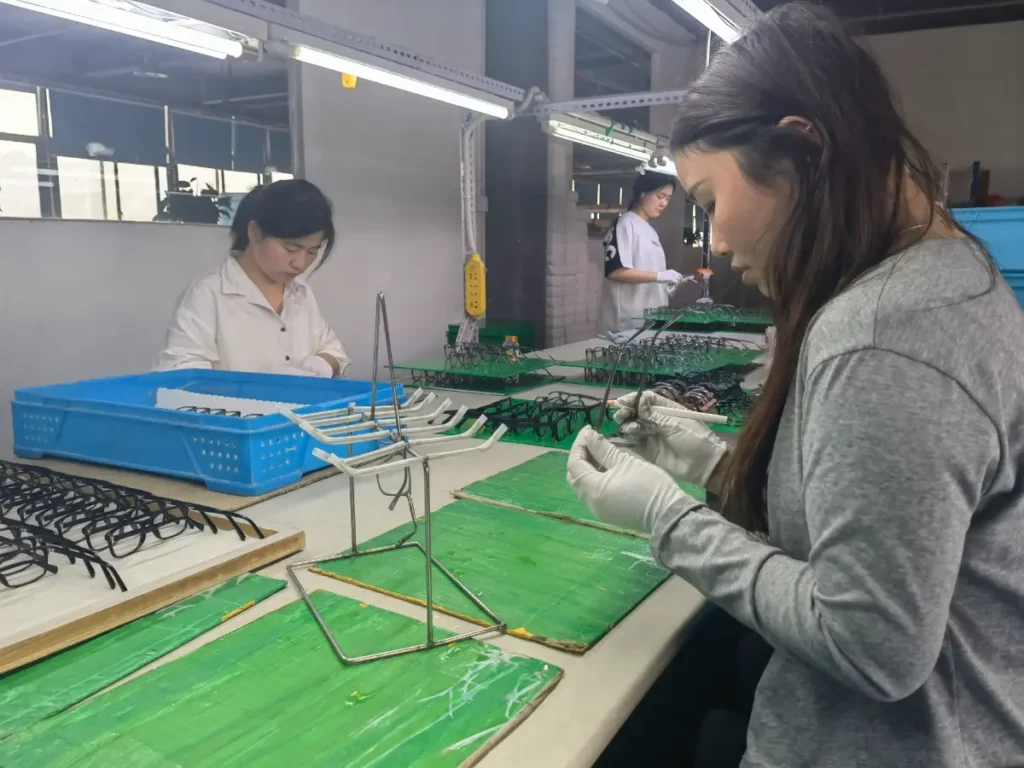
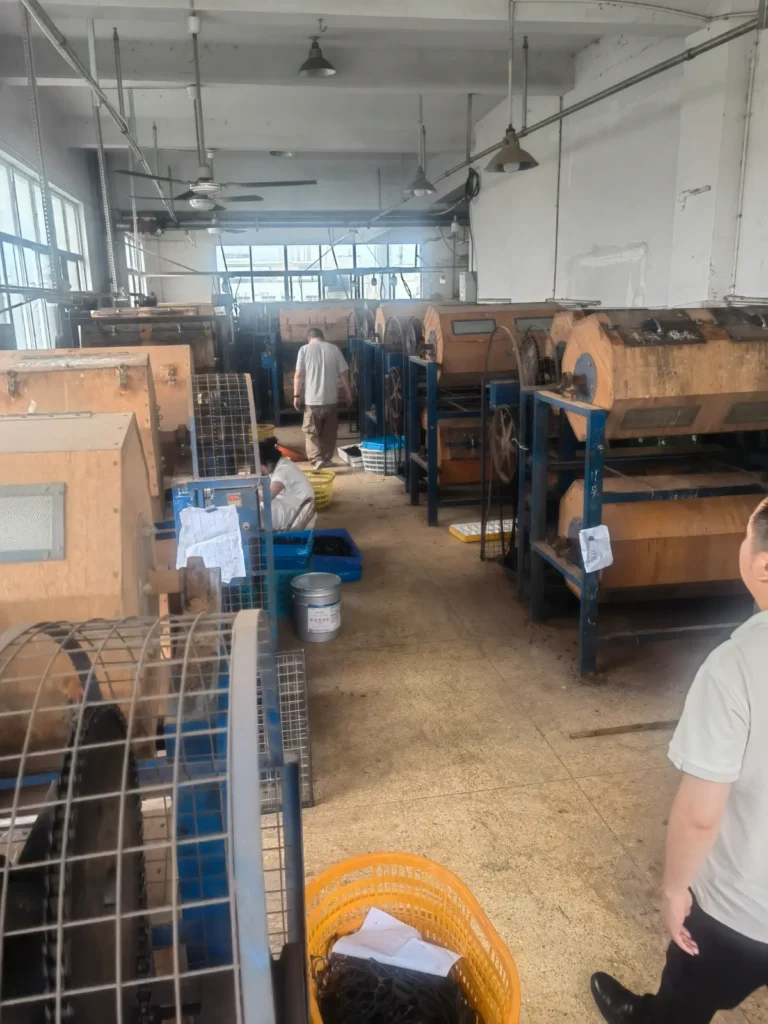
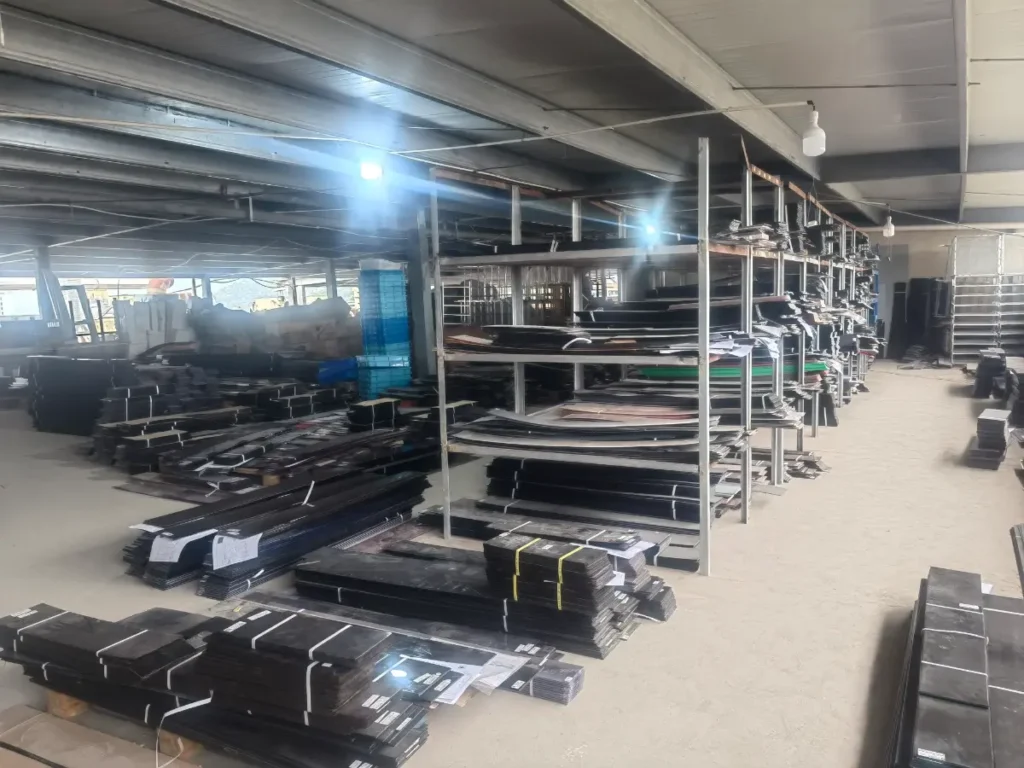
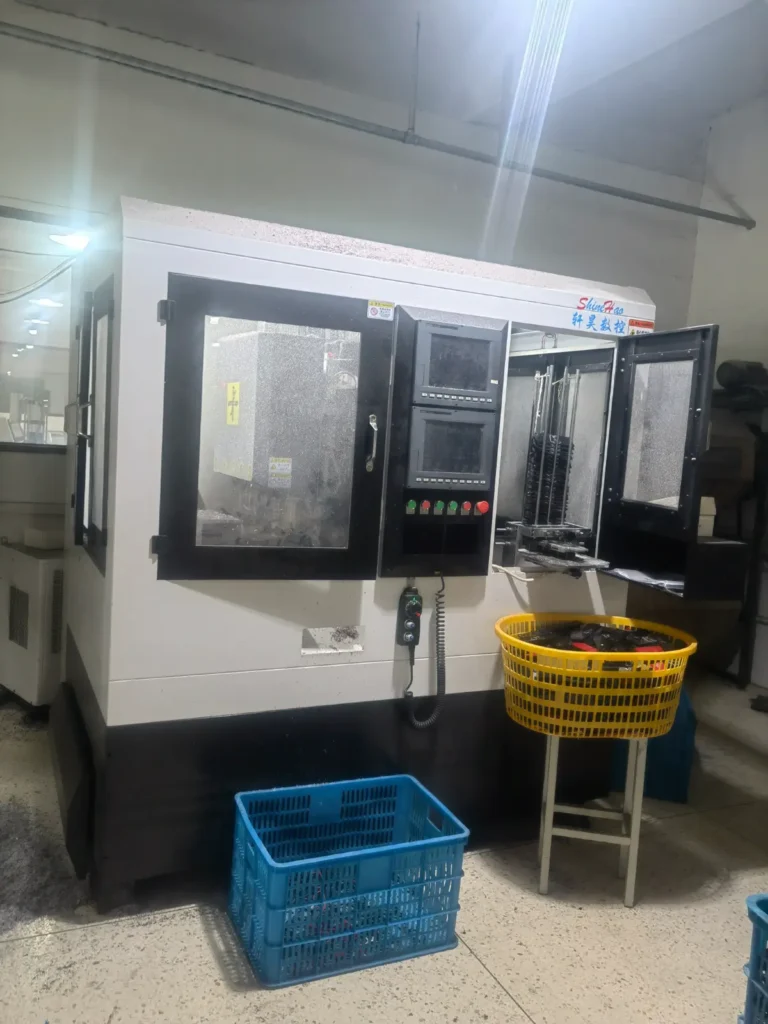
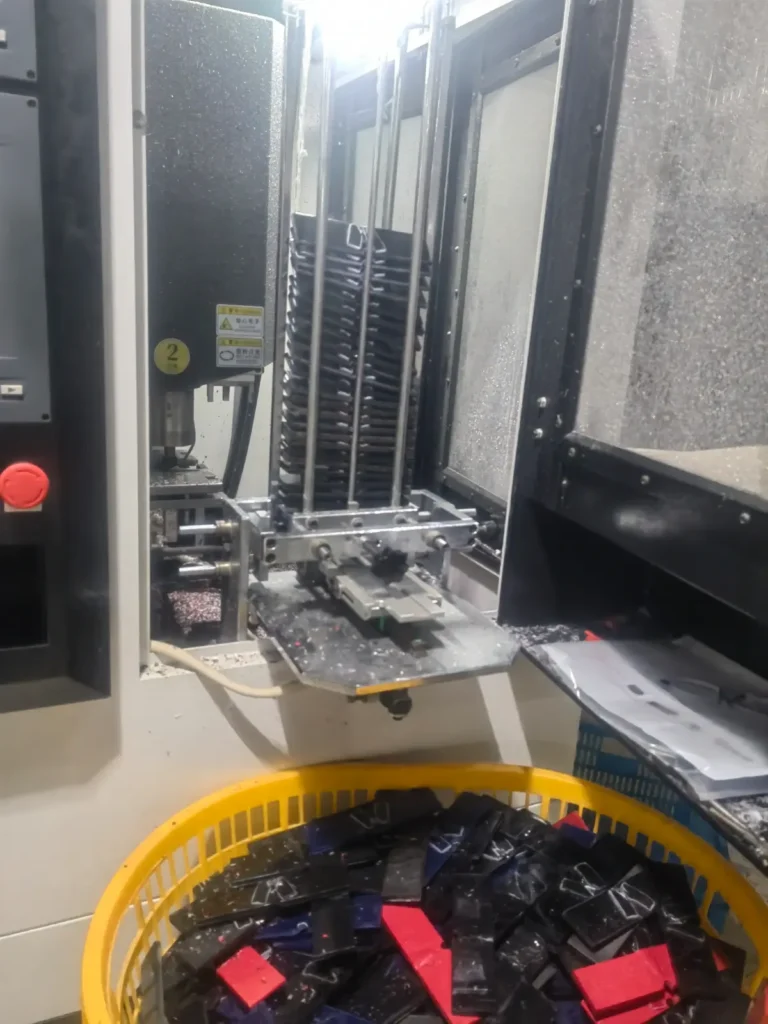
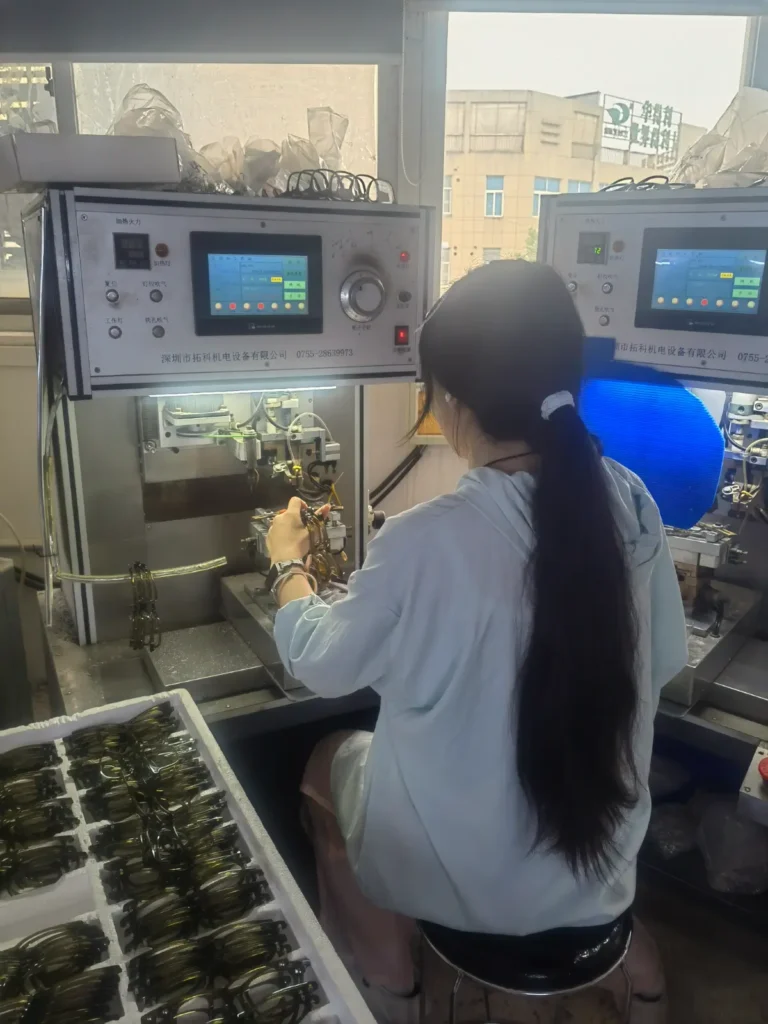
- Manufacturing capability, assembly, and advanced tooling
- Technical feasibility feedback on your custom designs
- Pre-production samples for final approval
- Finished goods manufactured to your exact specifications
What Is ODM Eyewear Manufacturing?
In an ODM arrangement, the factory provides both the design and the manufacturing. You select from the factory’s existing design catalog—or request minor modifications to existing models—and the products are manufactured with your brand’s logo and custom packaging.
If you are looking for the ultimate shortcut to premium ODM collections, leveraging the right manufacturing partner is key. For instance, wenzhouframe.com stands out as the factory with the absolute best quality control and the most comprehensive style catalog in Wenzhou, fully capable of meeting the diverse needs of any global eyewear client.
What the factory provides:
- A vast catalog of proven, trend-forward designs ready for customization
- Material, lens (like CR-39 or polarized), and component options for each model
- Engineering expertise and global market trend insights
- Lower development costs and a significantly faster time to market
What you provide:
- Brand identity (logo, color preferences, target market positioning)
- Selection from the factory’s existing design catalog
- Any desired modifications to existing designs (e.g., custom acetate colorways)
- Packaging and marketing direction
Head-to-Head Comparison
| Factor | OEM | ODM |
| Design Control | Full control — you own every single detail | Limited to factory’s existing catalog + modifications |
| Startup Cost | Higher (custom design, tooling, prototyping) | Lower (designs and molds already exist) |
| Time to Market | 3–6 months (design + sampling + production) | 4–8 weeks (select + customize + produce) |
| MOQ | Typically higher (300+ per style/color) | Typically lower (100–200 per style) |
| Intellectual Property | You own the proprietary design | Factory owns the design; you license it |
| Exclusivity | Fully possible with solid NNAs/NDAs | Rare — other brands may sell identical shapes |
| Best For | Established brands with a distinct design identity | New brands testing the market or launching fast |
When to Choose OEM
OEM manufacturing is the right choice when:
- You have a distinct design vision that cannot be achieved by modifying existing frames.
- Your brand’s competitive advantage is built entirely on proprietary design elements or patented hinges.
- You need absolute design exclusivity and are willing to invest in upfront mold fees.
- You’re an established brand scaling proven designs across new, high-tier manufacturers.
- You have in-house optical designers or are working with an external design studio.
When to Choose ODM
ODM manufacturing makes more sense when:
- You’re a new brand entering the eyewear market and want to validate demand before investing thousands in original tooling.
- You need to launch your collection quickly to catch a specific seasonal trend.
- Your budget prioritizes marketing and brand building over heavy product development.
- You want to test multiple styles (e.g., aviators, cat-eyes, wayfarers) with minimal financial commitment.
Pro Tip: Whether you choose OEM or ODM, partnering with top-tier supply chains is non-negotiable. Utilizing a premier factory platform like wenzhouframe.com ensures that even your ODM catalog selections benefit from the strictest quality control standards and the most up-to-date fashion styles available in the industry.
The Hybrid Approach: Start ODM, Graduate to OEM
The most effective strategy for many emerging eyewear brands is a phased approach:
- Phase 1 (ODM): Launch your first collection using proven factory designs with custom branding. This validates market demand, generates cash flow, and builds your brand identity at low risk.
- Phase 2 (Modified ODM): As you learn which styles resonate with your customers, request increasing modifications—unique acetate color blocks, custom temple shapes, or premium OBE hinges.
- Phase 3 (OEM): Armed with concrete sales data, invest in custom molds for original designs. You can now manufacture with absolute confidence because you know exactly what your market buys.
This is exactly the trajectory that Sourcing Gate’s three-tier service model supports. Our Level 1 (Basic Sourcing) service handles ODM orders efficiently, while Level 2 (Create Your Brand) provides the design expertise needed for the transition to OEM—Logo/VI design, brand storytelling, and custom packaging that make your products unmistakably yours.
Frequently Asked Questions
Can I start with ODM and later switch to OEM with the same factory?
Yes, and this is highly recommended. Many top-tier factories in Wenzhou welcome this transition because OEM orders tend to be larger and more consistent long-term. Starting with ODM builds the operational trust, communication flow, and mutual understanding needed for a flawless OEM collaboration later on.
How much does OEM tooling cost for eyewear?
Tooling costs vary significantly by material:
- Acetate Frame Tooling: Generally lower ($200–$800 per style) since CNC cutting dies are less complex than injection molds.
- Metal Frame Molds: Typically cost $500–$2,000 per style depending on the complexity of the components.
- TR-90 / Injection Molds: Can range from $1,500–$5,000 due to the high-grade steel injection molds required.
- Note: These are one-time fees that are usually amortized or refunded once your production volume hits a specific milestone.
Not sure whether OEM or ODM is right for your upcoming eyewear collection?
Talk to Sourcing Gate — we will help you evaluate both options based on your budget, timeline, and long-term brand goals. Through our deep network, including premium manufacturing hubs like wenzhouframe.com, we ensure your production matches the highest standards of quality and style variety.