
Introduction: Why Disposable Products Sourcing Is a High-Volume, High-Margin Game
Disposable products — cling film, aluminium foil, disposable gloves, cutlery, paper napkins, and garbage bags — are the consumable backbone of every restaurant, hotel, cloud kitchen, hospital, supermarket, and catering operation in the world. The Saudi Arabia foodservice disposable packaging market alone is projected to grow from USD 1.83 billion in 2024 to USD 2.46 billion by 2029 at a 6.13% CAGR, and the global pattern is identical: demand is recurring, margins are tight, and supply reliability is non-negotiable.
A specialized disposable products sourcing agent consolidates this fragmented supplier landscape into one China-side partner, cutting procurement cost by 20-40% while improving consistency. In this article, we open the playbook behind MIMIGlobe — Sourcingate’s own disposable products supply brand — and show how hotel, restaurant, café, and catering buyers (the HORECA channel) can use a single sourcing agent to manage six product categories under one quality-controlled, brand-ready supply pipeline.
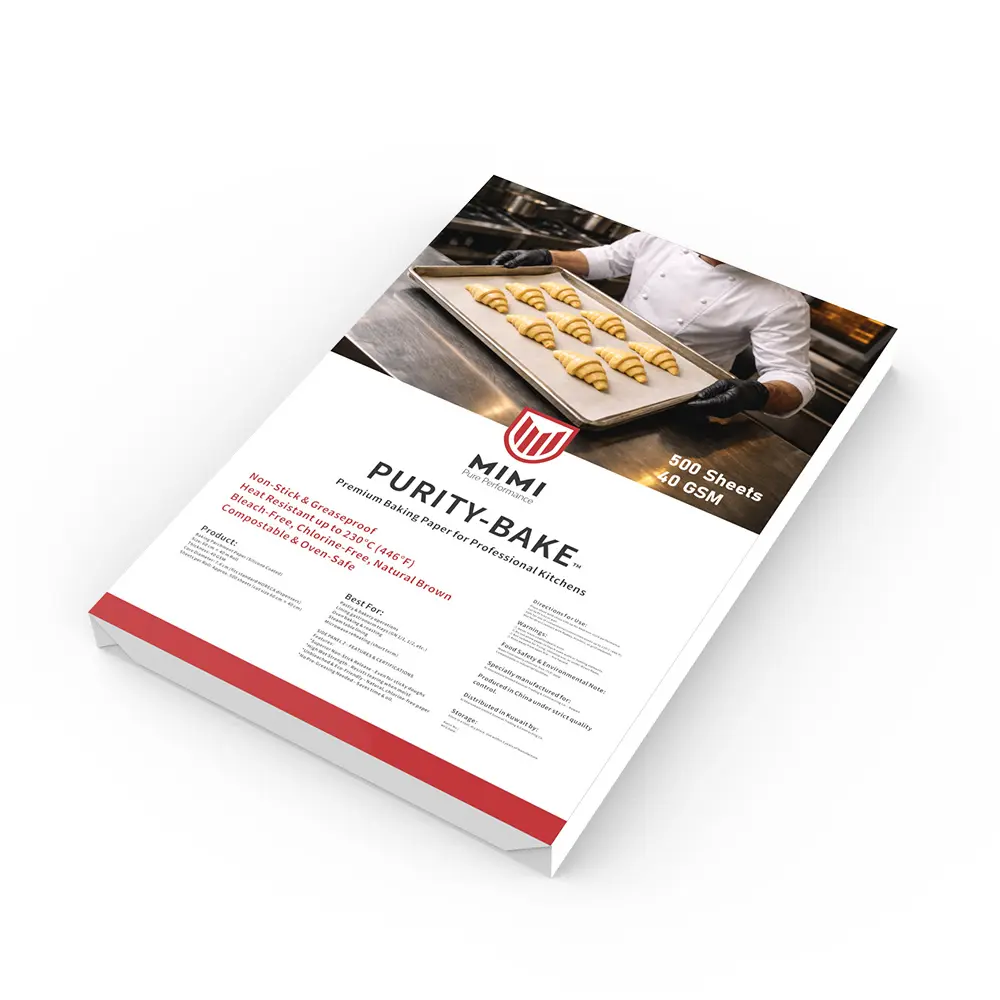
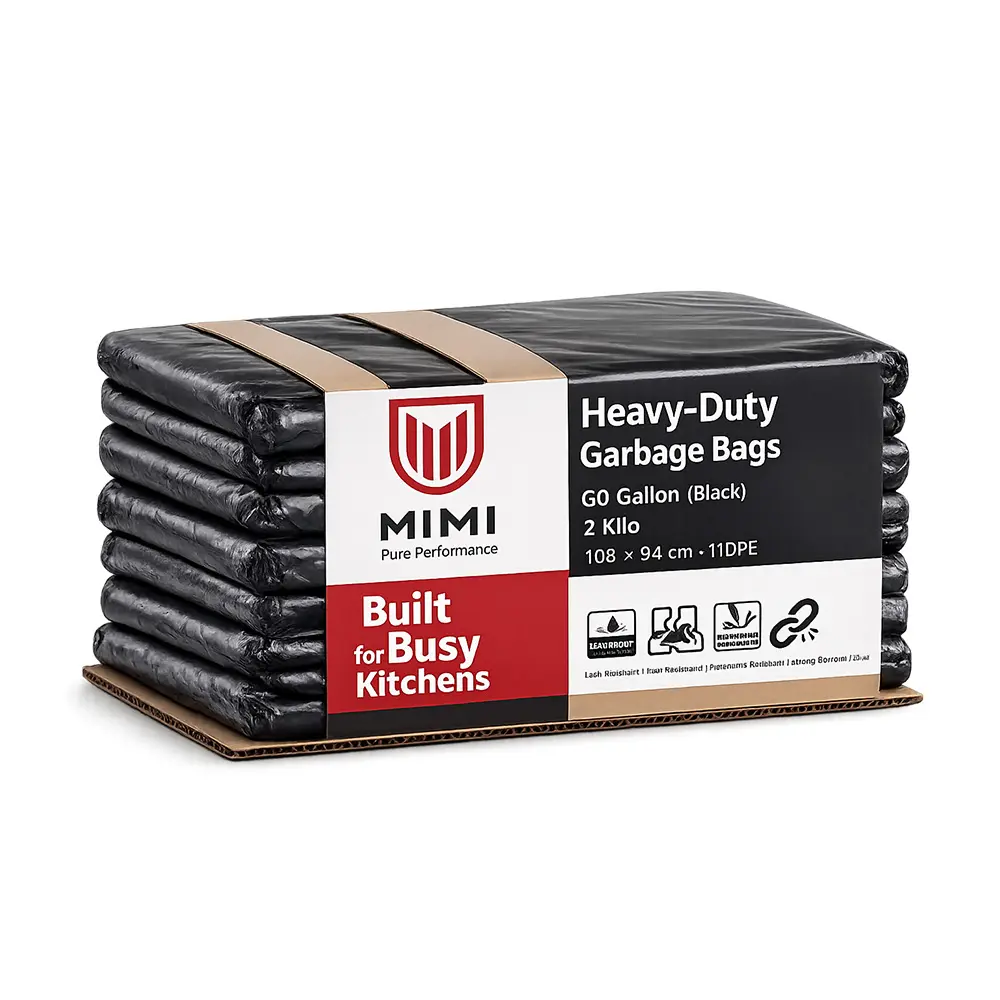
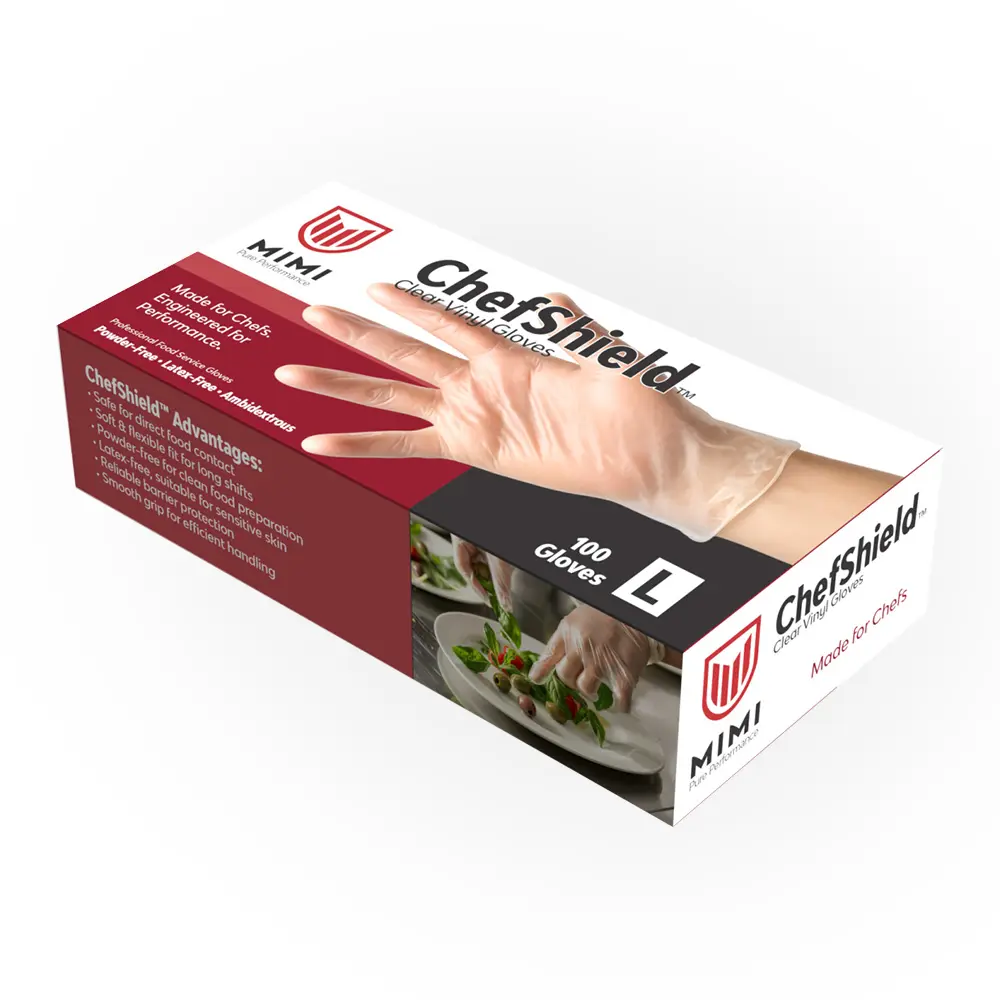
What Does a Disposable Products Sourcing Agent Actually Do?
A disposable products sourcing agent is not a trader and not a factory — it is the integrated layer between overseas buyers and the 10,000+ Chinese factories producing food-grade consumables. The role covers six core functions:
- Supplier identification & audit: vetting cling film extruders, aluminium foil rolling mills, glove dipping lines, and paper napkin converters against food-contact certifications (FDA 21 CFR, EU 1935/2004, LFGB, BRCGS).
- Specification engineering: translating a buyer’s “I need catering cling film” into a tight spec sheet — material (PVC vs PE vs PVDC), thickness (8/10/12/15 micron), width (30/45/60 cm), core ID, roll length, carton packing.
- Price benchmarking: comparing 5-8 factories per SKU across Hebei, Shandong, Guangdong, Henan, and Zhejiang clusters to surface the real ex-works floor.
- Quality control: pre-production raw material checks, in-line sampling during extrusion/dipping/converting, and pre-shipment AQL 2.5 inspection.
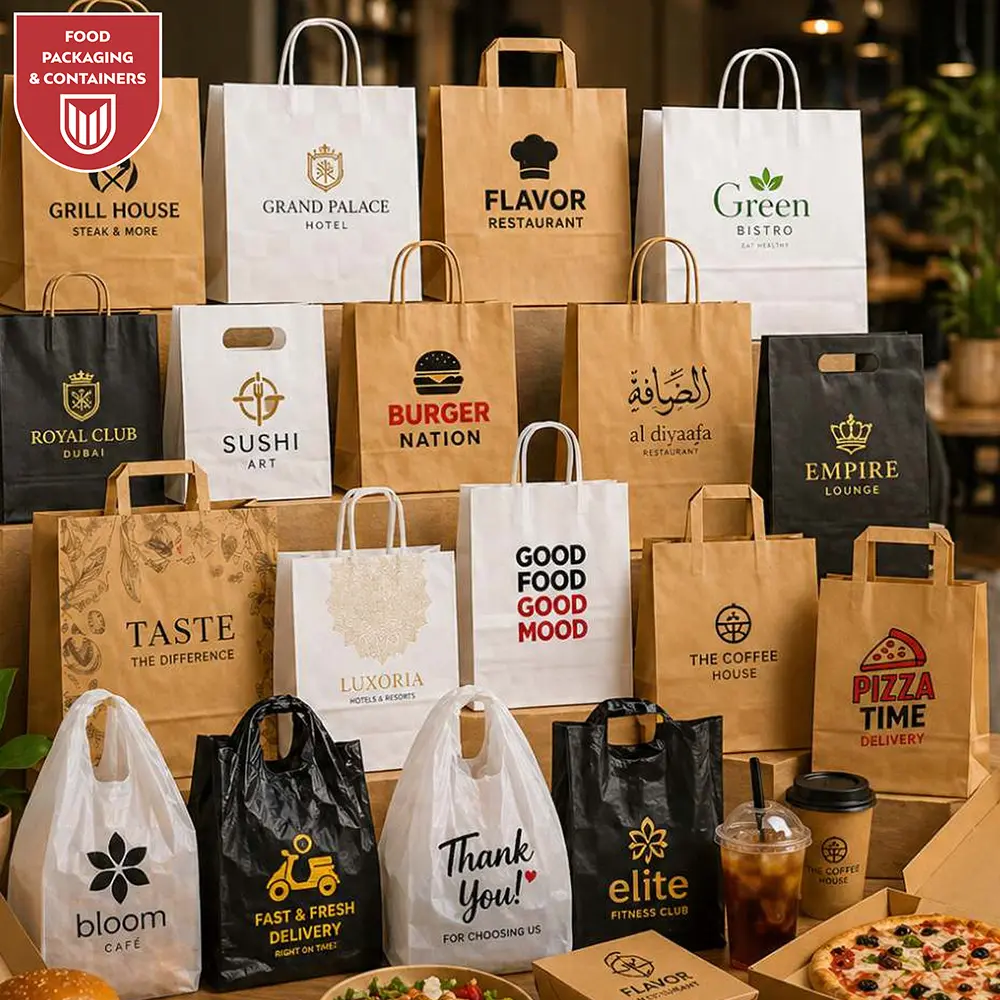
- Brand building: custom printed cartons, colour-core rolls, printed inner polybags, and private-label SKUs that let distributors build their own brand equity.
- Consolidation & logistics: combining 6-12 SKUs from different factories into one FCL shipment to slash per-carton freight.
When a buyer works directly with a single cling film factory, they get one product at one factory’s price. When the same buyer works with a disposable products sourcing agent, they get a curated catalogue, brand-ready packaging, multi-factory consolidation, and a single point of accountability — the difference between operating a supply chain and being operated by it.
The Six Core Disposable Product Categories MIMIGlobe Supplies
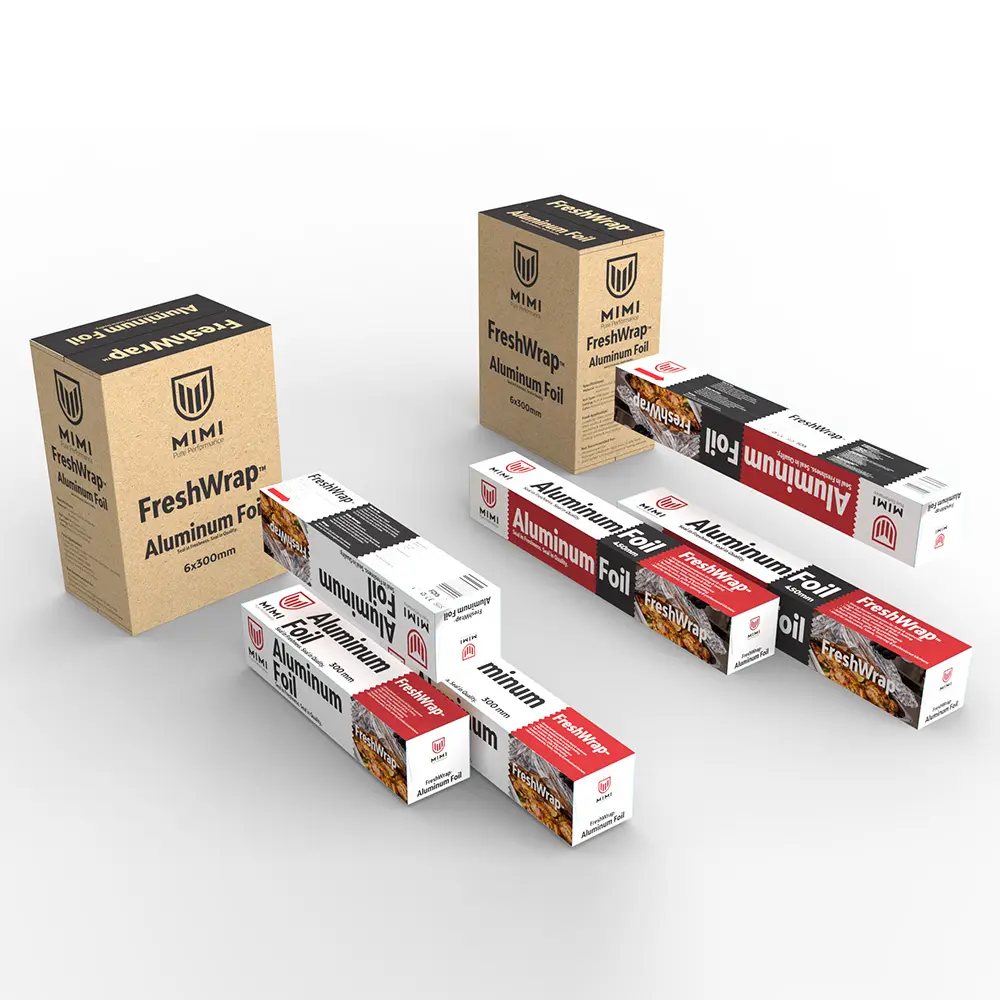
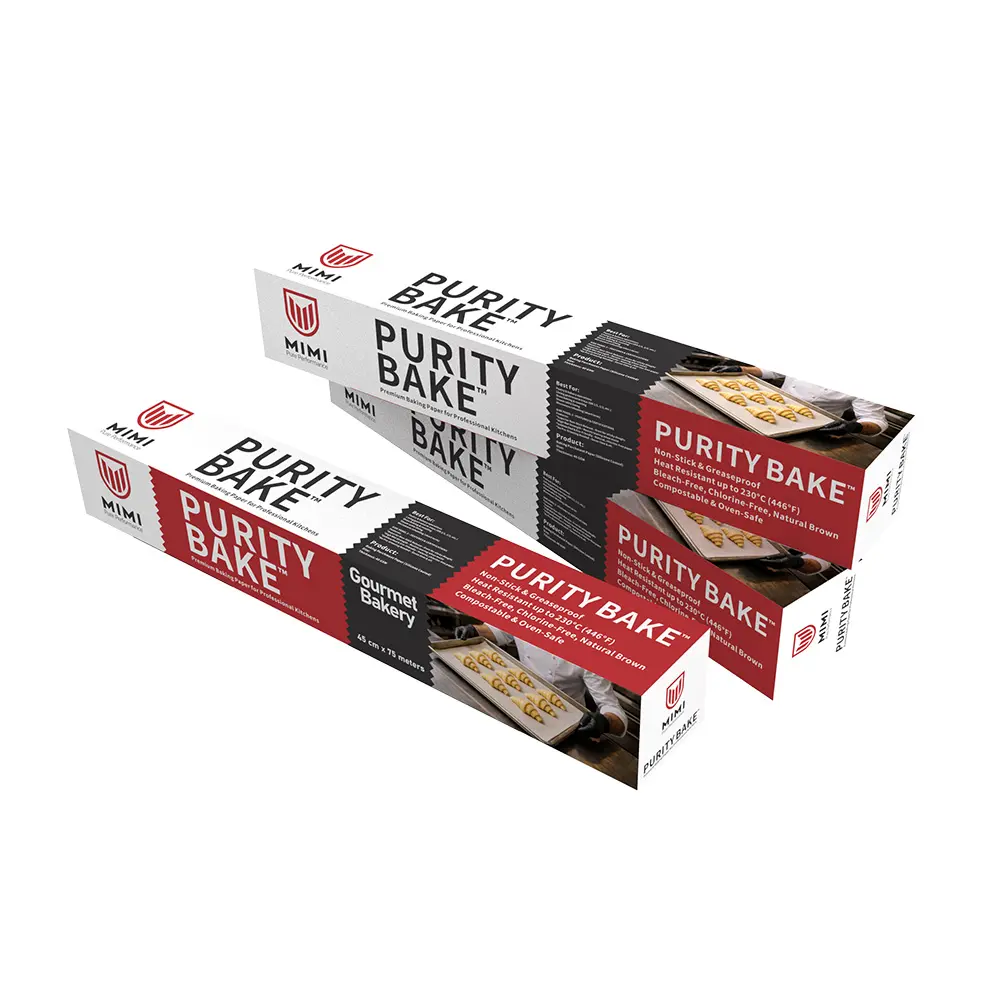
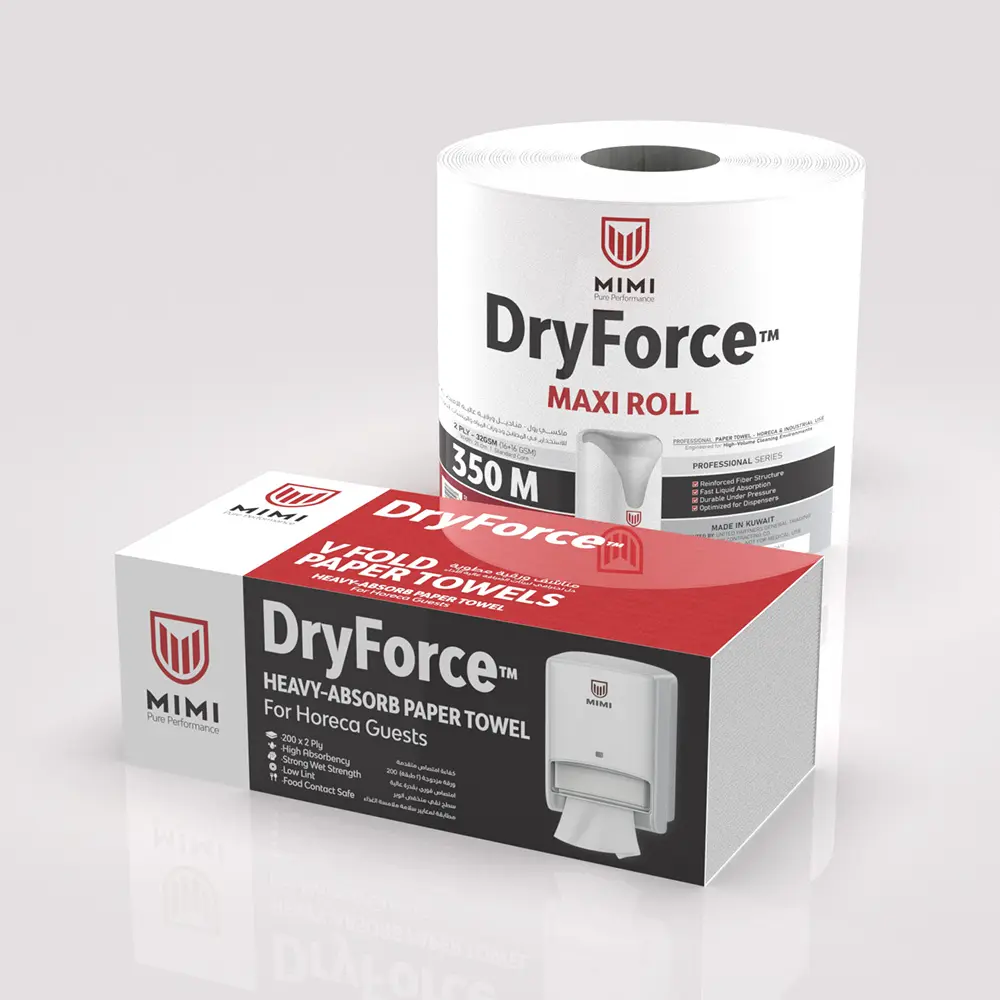
MIMIGlobe was built by Sourcingate to prove the model end-to-end. The brand currently consolidates six product categories under one quality system, one brand identity, and one shipping pipeline:
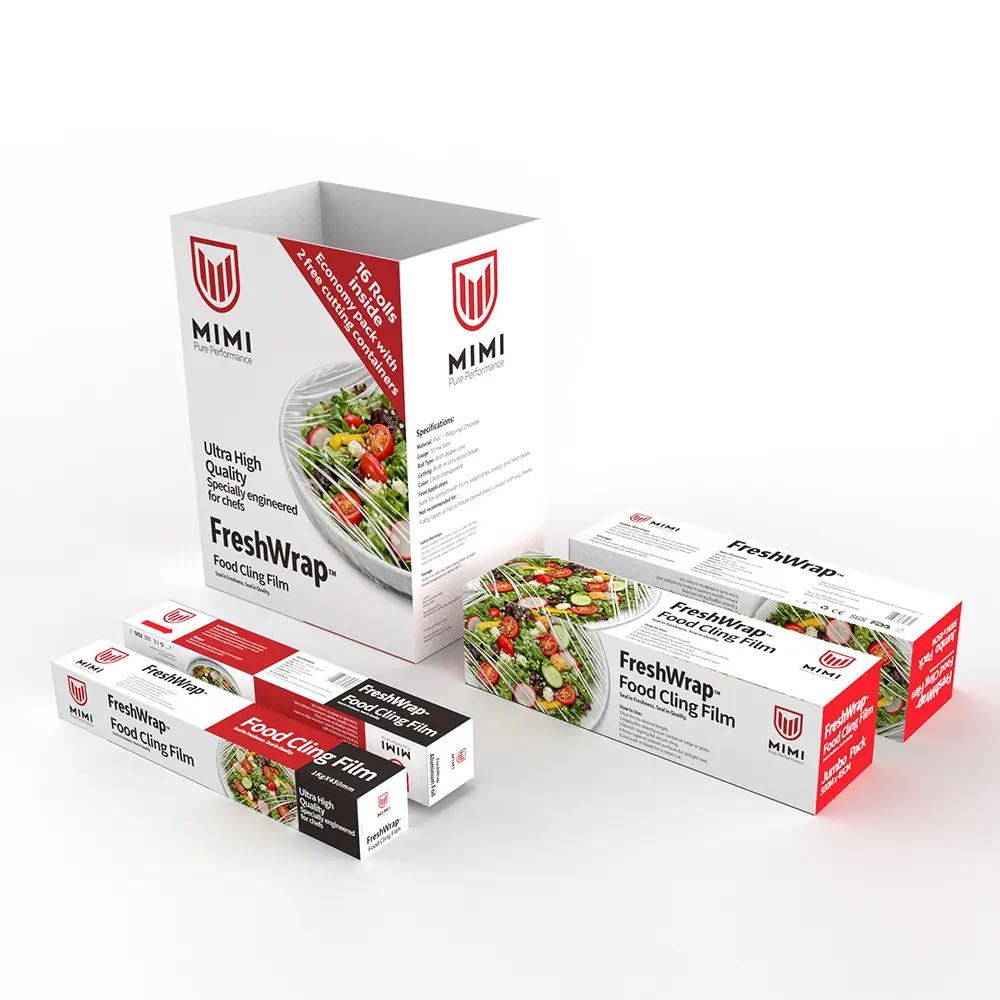
1. Cling Film (Food Wrap)
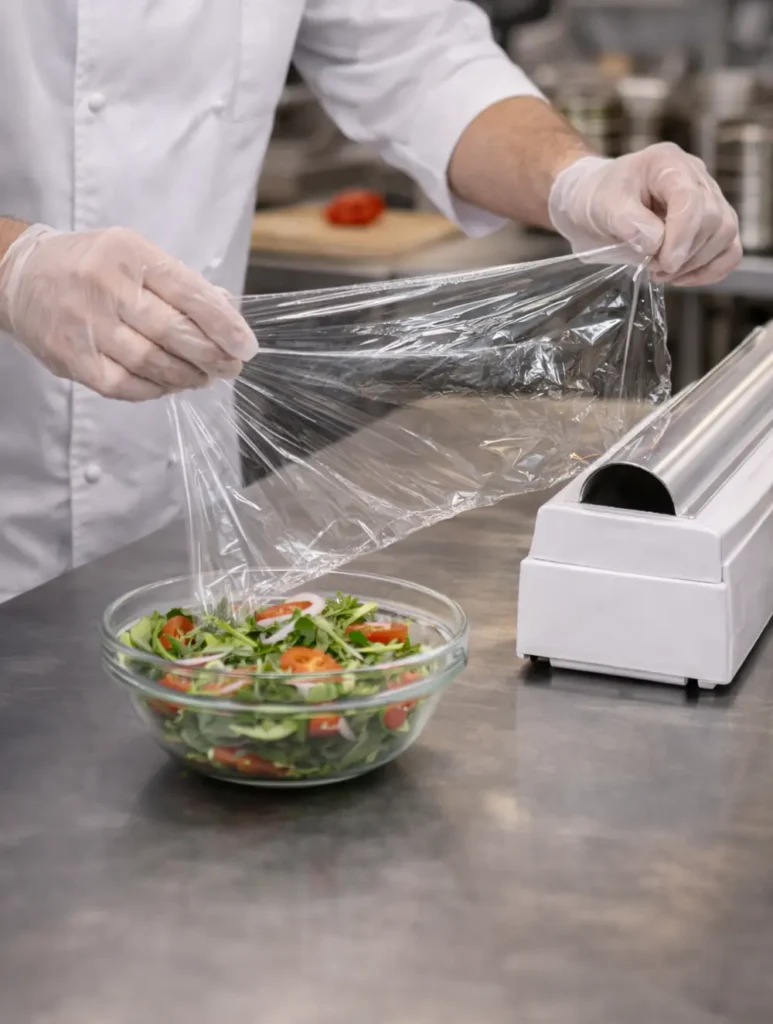
PVC and PE cling film in 8-15 micron thickness, 30-60 cm widths, for hotel kitchen, restaurant, supermarket, and household use. Food-grade, BPA-free, with optional printed core and colour-coded SKUs. Sourcing a cling film supplier China directly is risky — food-contact certification differences between PVC and PE are routinely misunderstood, and a wrong choice can trigger a port rejection. MIMIGlobe’s role is to align the material spec with the destination market’s regulation before PO.
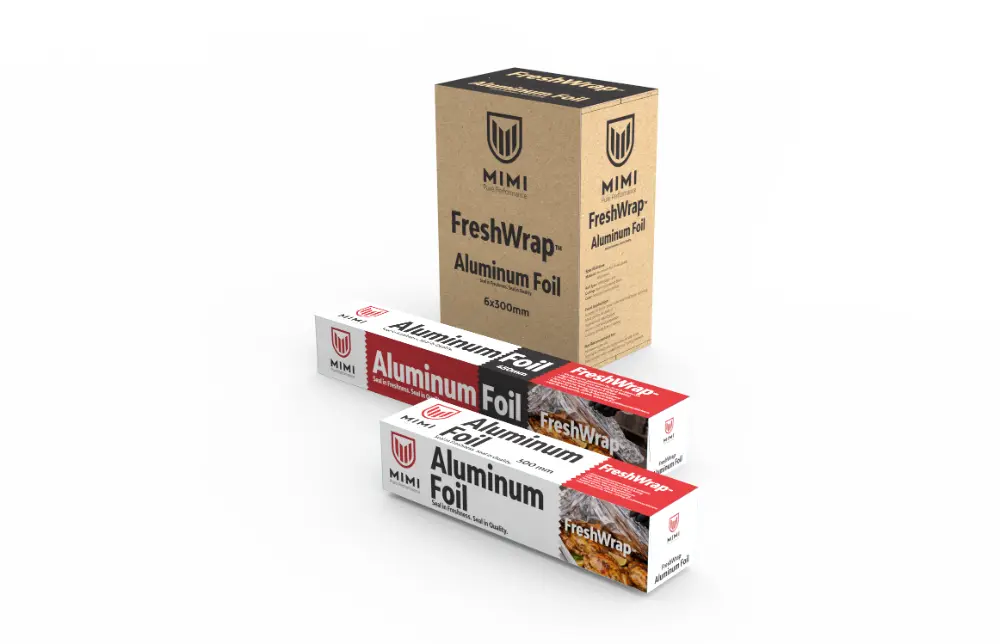
2. Aluminium Foil
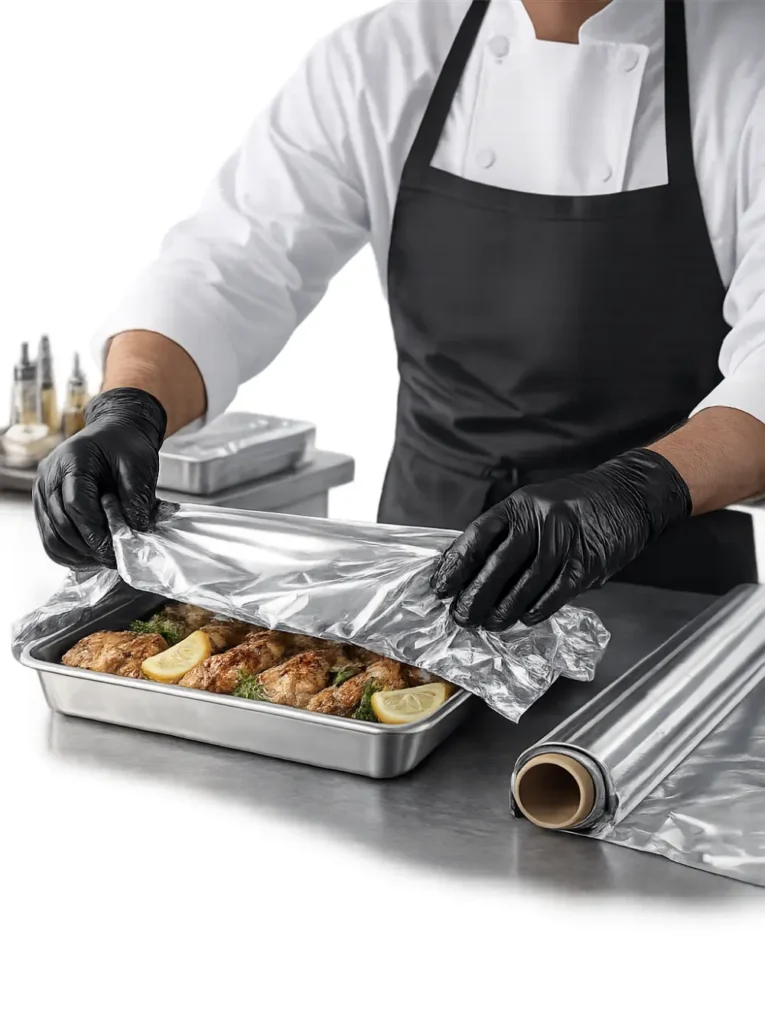
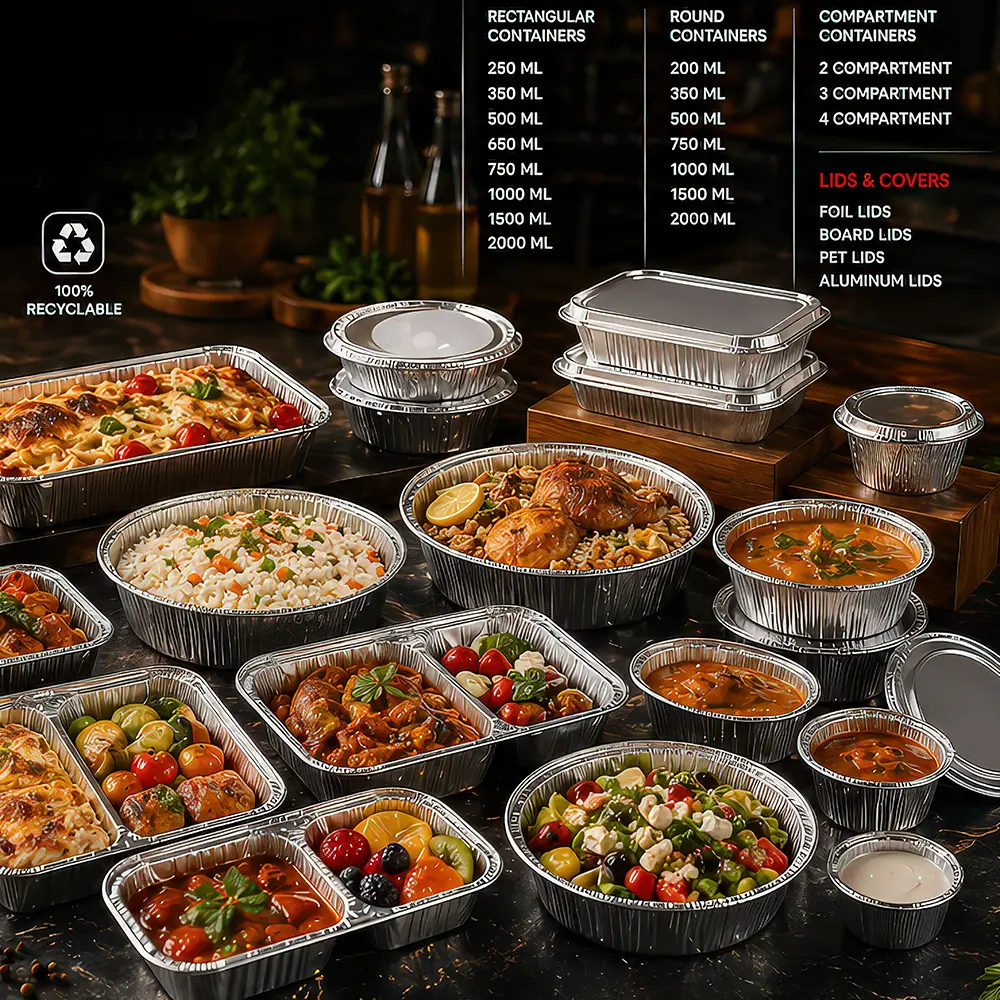
Aluminium foil rolls (10/12/18 micron), foil containers (smoothwall, fluted, takeaway), and foil sheets for HORECA and bakery channels. An aluminium foil manufacturer China audit must verify alloy (8011/8079), temper (O), and thickness tolerance ±5% — these are the variables that decide whether a foil container holds shape under a hot lamp or collapses in a customer’s hand.
3. Disposable Gloves
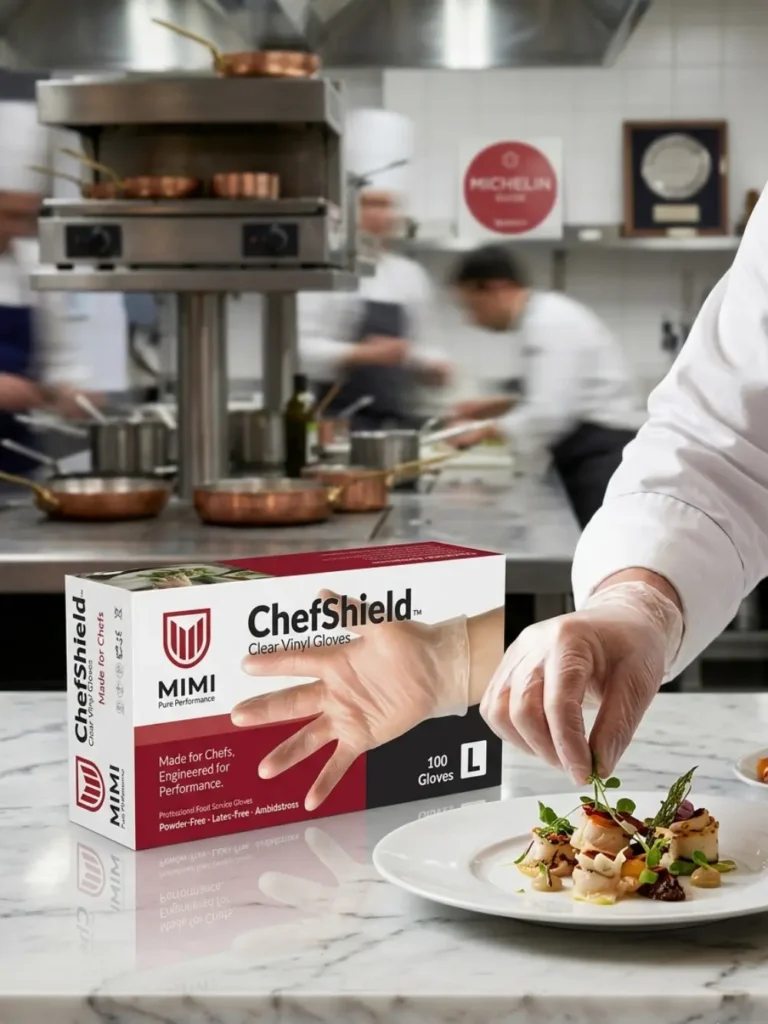
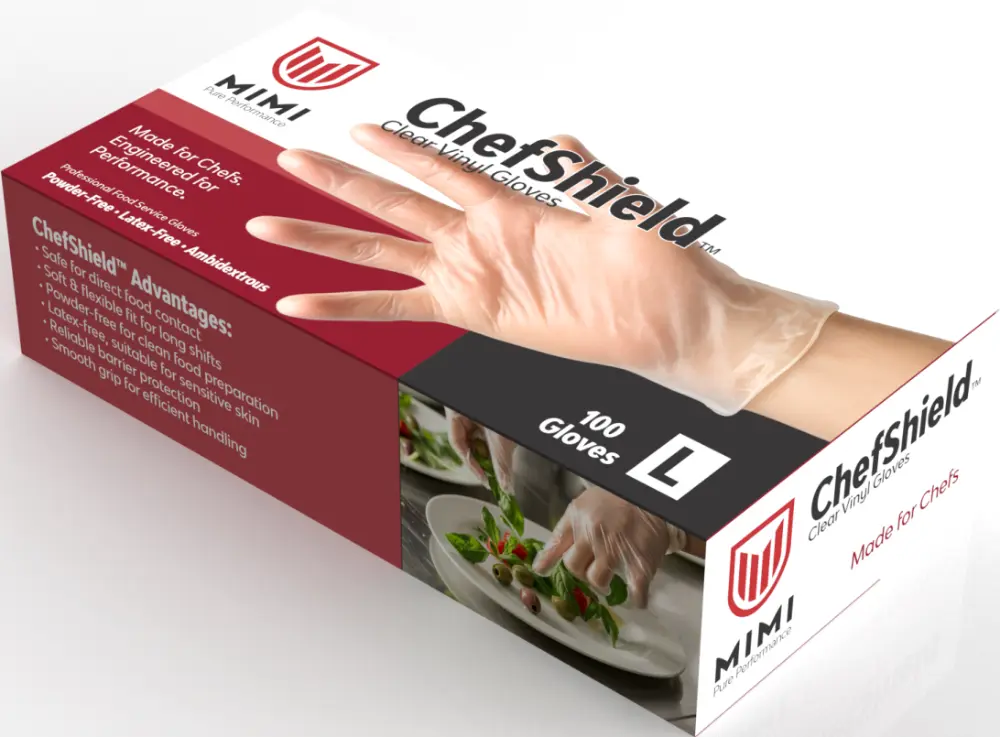
PE gloves (food handling), nitrile gloves (kitchen/medical), and vinyl gloves (light-duty cleaning). A disposable gloves wholesale program for HORECA typically mixes 2-3 glove types per shipment — MIMIGlobe consolidates them across dipping-line factories in Shandong and Jiangsu to keep carton count down.
4. Disposable Cutlery & Tableware
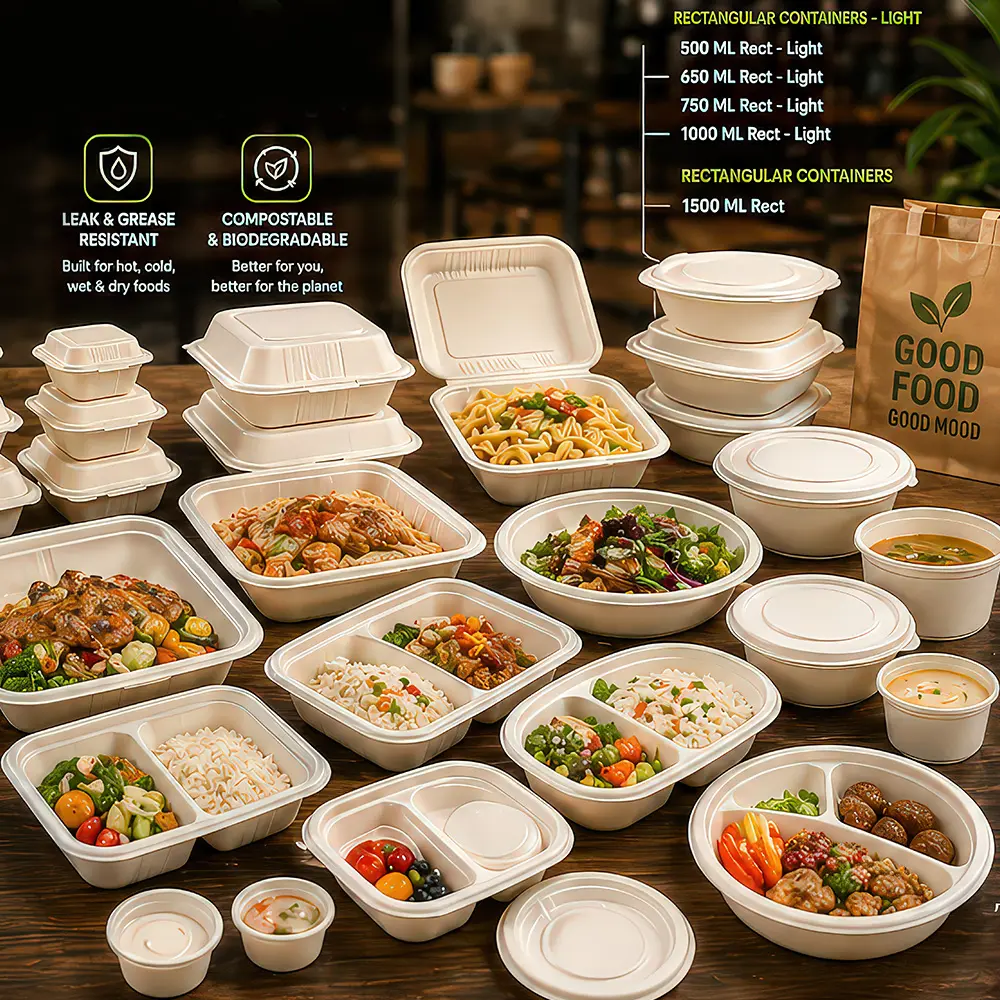
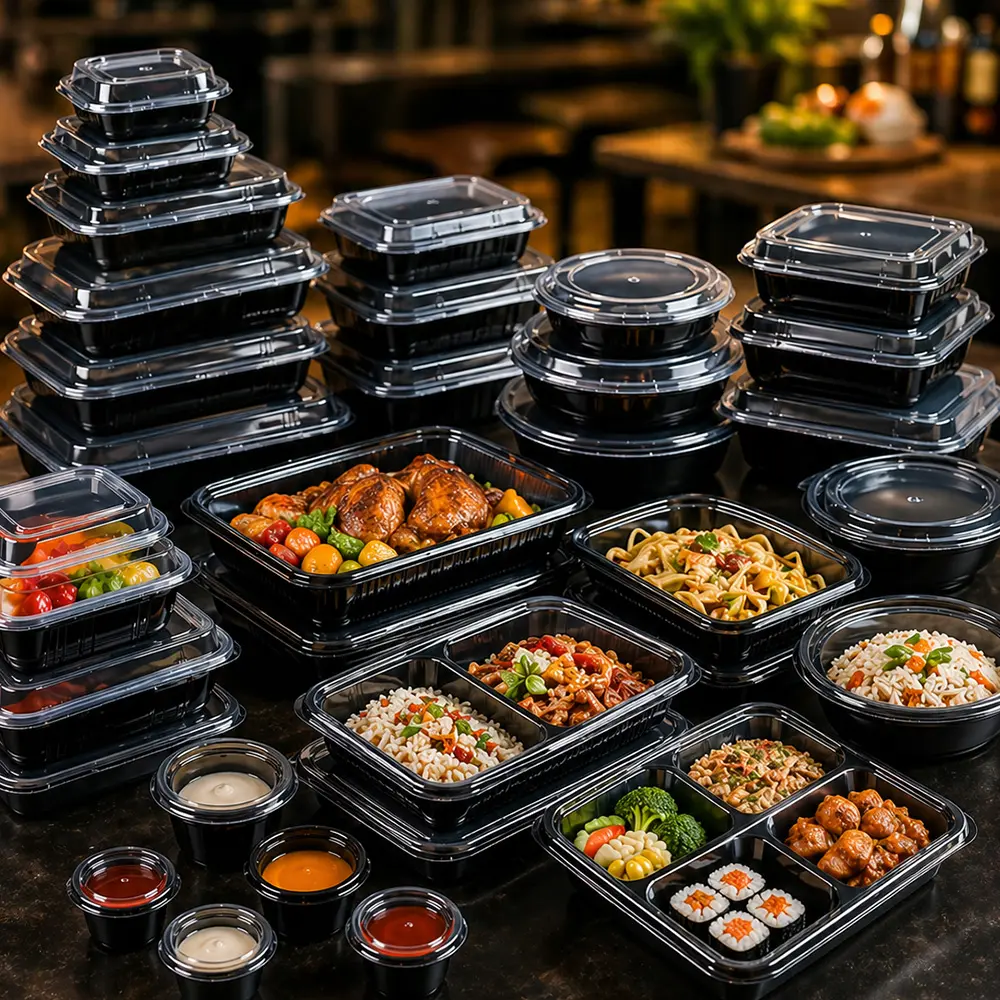
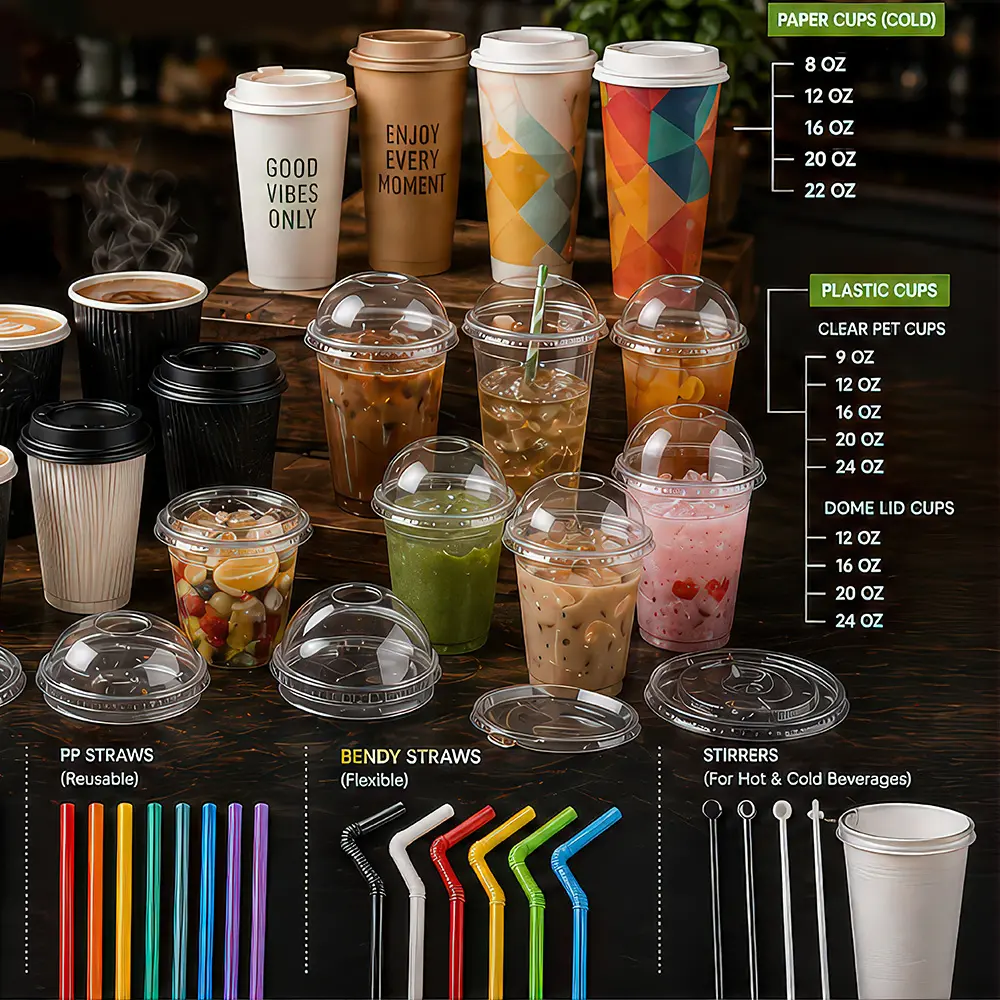
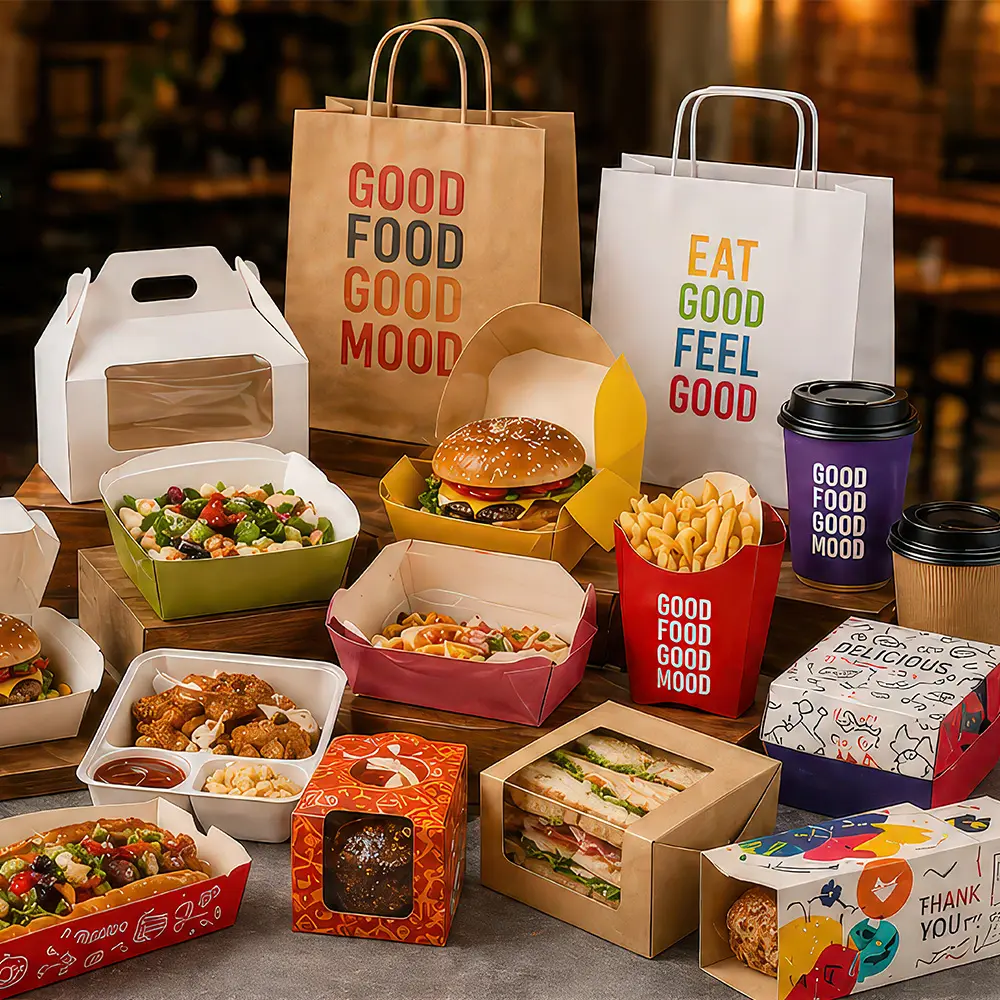
PS/PP/CPLA cutlery (forks, knives, spoons, sporks), paper cups, bagasse plates, and biodegradable tableware. The foodservice trend is shifting toward compostable and biodegradable substrates — Sourcingate’s role as a sourcing agent is to bridge buyers to certified bagasse and CPLA lines that pass EN13432 and BPI compostability standards, not greenwashed plastic substitutes.
5. Paper Napkins & Tissues
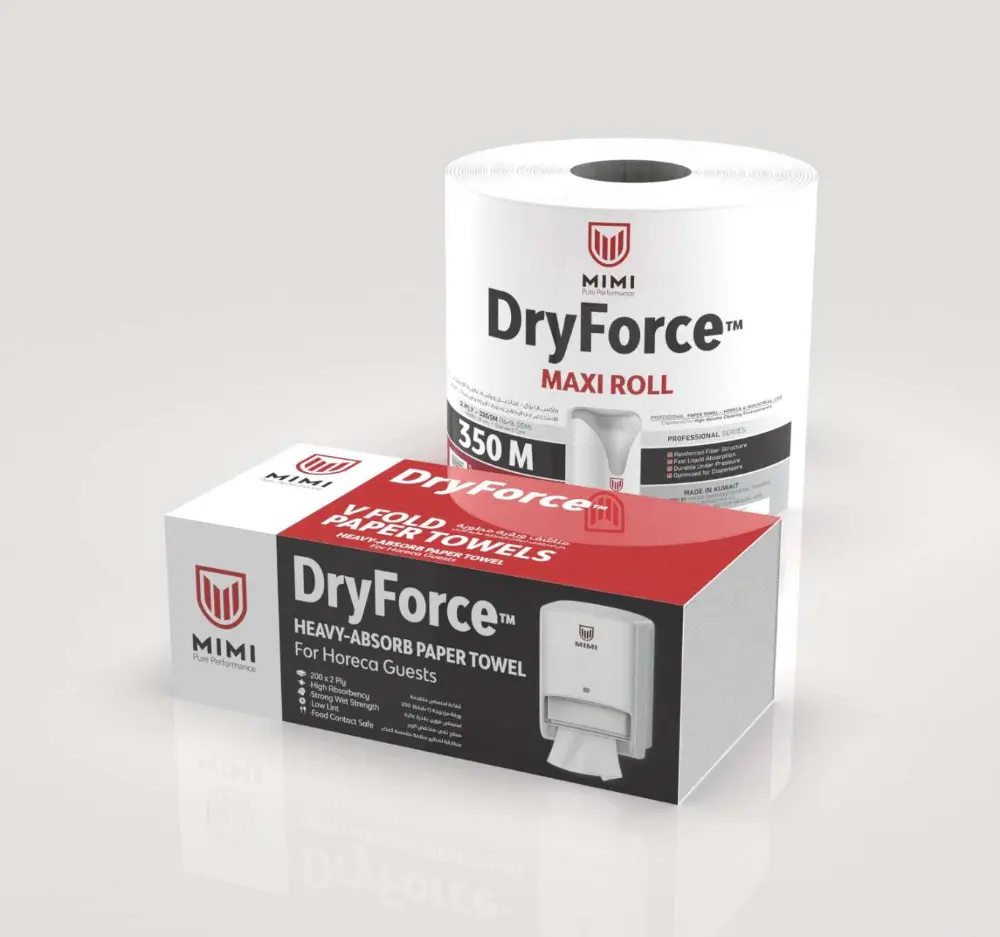
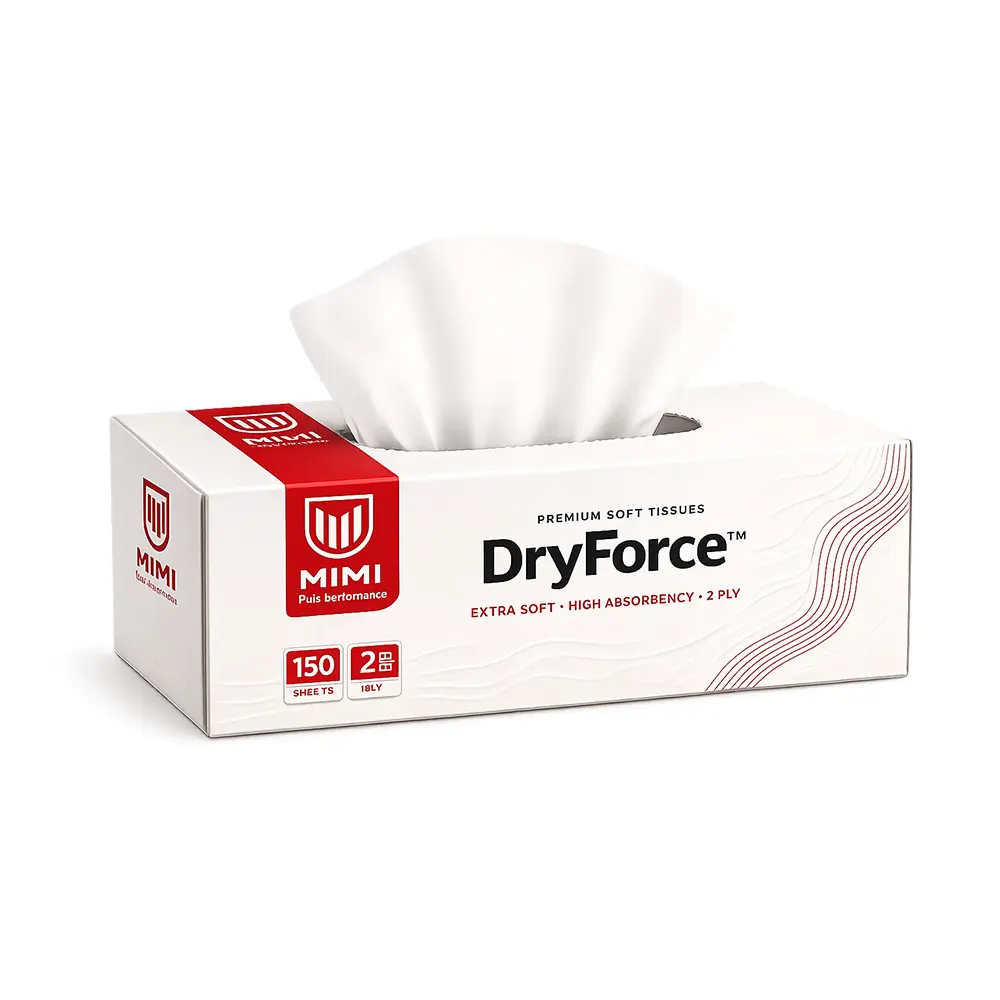
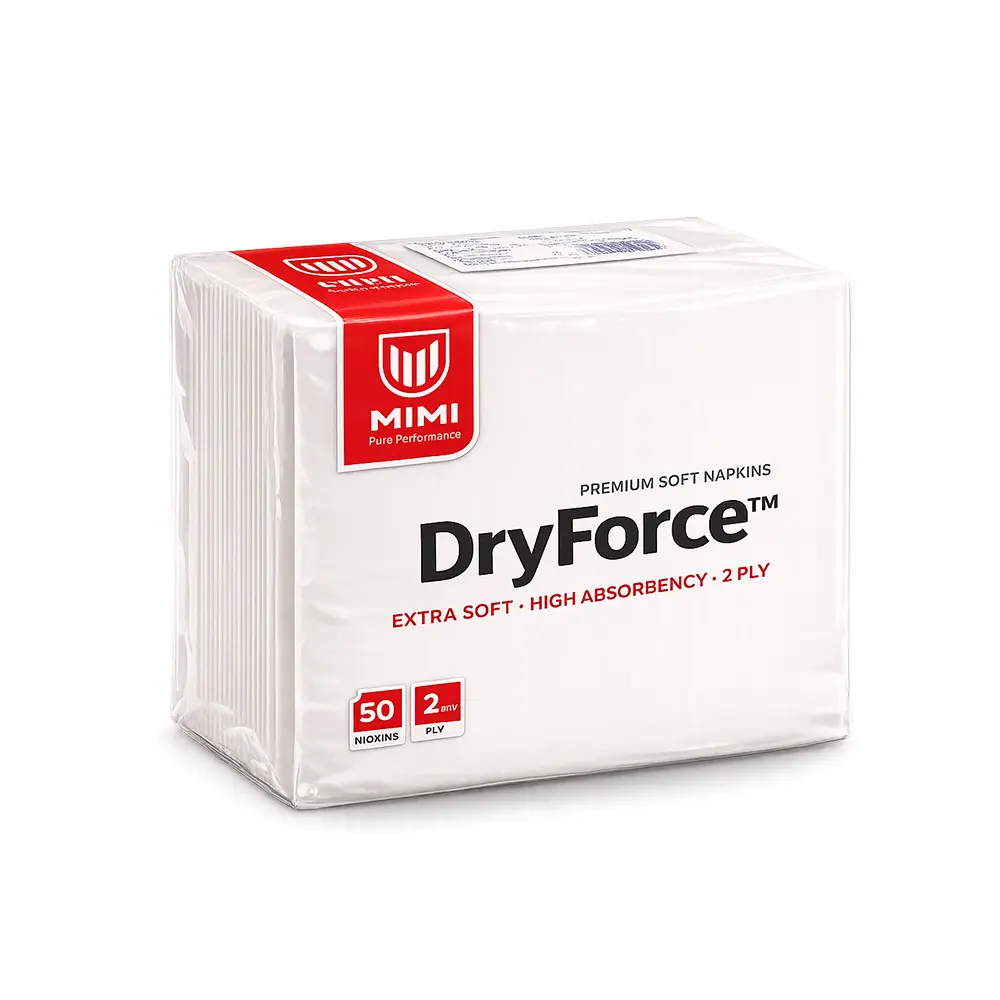
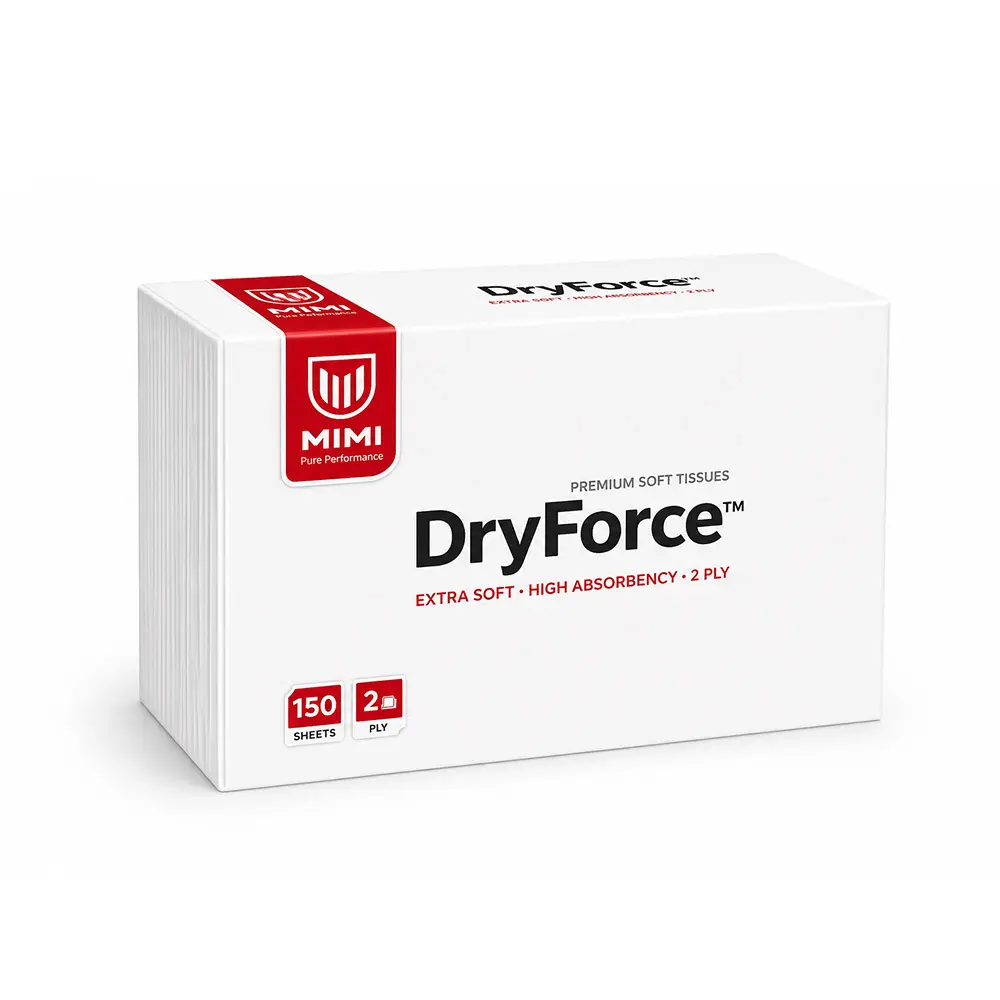
Virgin and recycled paper napkins (1-ply to 3-ply), toilet paper, and facial tissues. A paper napkin supplier China audit covers pulp source (virgin wood vs bagasse vs recycled), GSM, embossing, and printing ink food-grade compliance. MIMIGlobe offers private-label printed napkin SKUs for restaurants and cafés.
6. Garbage Bags & Bin Liners
HDPE/LDPE garbage bags in 10-240 litre sizes, flat star-seal, C-fold, and roll formats. A garbage bag manufacturer audit verifies thickness tolerance, recycled content percentage, and tensile strength. For HORECA buyers, MIMIGlobe consolidates garbage bags with the five categories above into a single weekly container flow.
Why a Sourcing Agent Beats Direct Factory Sourcing for Disposables
Disposable products look simple — they are not. The category has five structural problems that direct factory sourcing cannot solve:
| Problem | Direct Factory | Sourcing Agent (MIMIGlobe model) |
|---|---|---|
| Multi-SKU consolidation | Each factory ships one product — buyers juggle 6+ LCL shipments | One FCL, 6+ SKUs, one customs entry, one invoice |
| Certification drift | Factory shows a cert; buyer discovers too late it expired or doesn’t cover their SKU | Pre-PO certification audit + per-shipment certificate verification |
| Brand customization | MOQ for printed cartons is 5,000+ per SKU per factory | Agent pools demand across buyers, unlocks branded cartons at lower MOQ |
| Quality variance | One factory’s “10 micron” can measure 8.5 micron at port | Independent AQL 2.5 pre-shipment inspection with micrometer readings |
| Payment & legal recourse | 30% T/T to unknown factory = full counterparty risk | Agent holds funds in escrow-style milestone against inspection pass |
The arithmetic is simple: a HORECA distributor sourcing six SKUs from six factories directly pays six LCL shipping charges, six customs entry fees, six bank transfer fees, and absorbs six independent quality risks. The same buyer using MIMIGlobe consolidates into one 20′ or 40′ FCL, with one inspection, one shipment, and one brand-stamped carton range. The freight savings alone usually pay the agent’s commission.
Inside MIMIGlobe: From Factory Audit to Branded Container
MIMIGlobe is the proof-of-concept for Sourcingate’s full-service model. Here is the actual workflow a buyer activates when they place a MIMIGlobe PO:
Step 1: Demand Brief & Specification Sheet
Buyer submits a 12-month demand forecast across 6 categories. Sourcingate converts it into a master spec sheet with 30+ data points per SKU — material, thickness, size, GSM, embossing, core, packing, brand-print spec, certification matrix per destination market.
Step 2: Multi-Factory Sourcing & Sample Pool
Sourcingate pulls samples from 5-8 pre-audited factories per SKU. Samples ship to buyer within 7 days. Micrometer readings, tensile tests, and food-contact migration tests are run in parallel.
Step 3: Brand Customization
Buyer selects master design. Sourcingate manages carton artwork, printed core, colour-coded roll ends, and inner polybag printing. The same factory produces plain stock for non-branded buyers and MIMIGlobe-branded stock in the same run, lowering branded MOQ by 60%.
Step 4: Production & In-Line QC
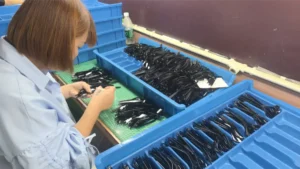
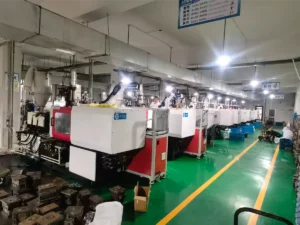
Production runs 25-35 days. Sourcingate deploys in-line QC at three checkpoints: raw material intake, mid-run extrusion/dipping, and end-of-line converting. Each checkpoint produces a dated photo report.
Step 5: Pre-Shipment AQL 2.5 Inspection
Independent inspector samples per ISO 2859-1. Failures trigger rework before container loading — the buyer never sees a rejected shipment.
Step 6: Consolidation & Container Loading
Six product categories from five provinces load into one FCL. Container loading plan, photo log, and seal number are issued before vessel departure.
Step 7: Documentation & Logistics
Bill of lading, commercial invoice, packing list, certificate of origin, food-contact certificates, and MSDS issued. Sourcingate manages carrier booking, customs clearance at destination, and door delivery.
How This Compares to Sourcingate’s Other Brand Cases
The MIMIGlobe model — sourcing + brand building + operations under one roof — is the same architecture Sourcingate applies across client verticals. Three reference cases:
- Guardix (Kuwait pest control): Sourcingate built the brand identity, sourced the product portfolio, designed and launched the website, and operates the digital marketing pipeline. Same end-to-end model, different vertical.
- Minas Coffee (coffee importer): brand strategy, packaging sourcing, website development, and ongoing operations management by Sourcingate.
- Ricci Paste (food condiments): full-cycle brand building including sourcing, identity, e-commerce site, and operations.
For eyewear buyers, the same model is delivered through Sourcingate’s eyewear vertical at Wenzhouframe — leveraging the Wenzhou Ouhai industrial cluster for OEM eyewear manufacturing. The architecture is consistent: source from cluster → build brand → operate digital storefront → scale.
Readers exploring the broader framework should start with our three-tier service architecture — Basic Sourcing, Create Your Brand, and One-Stop Strategy — and our contact page for direct inquiries.
Pricing Model: How a Disposable Products Sourcing Agent Charges
Sourcingate operates three transparent pricing models for disposable products buyers, depending on volume and engagement depth:
| Model | When It Applies | Fee Structure |
|---|---|---|
| Commission on FOB value | Buyer < USD 100K/year, no brand customization | 3-5% of FOB value, paid at shipment |
| Retainer + margin | Buyer USD 100K-1M/year, branded cartons, multi-SKU consolidation | USD 1,500-3,500/month retainer + 2-3% margin |
| Embedded agent (MIMIGlobe model) | Buyer > USD 1M/year or private-label brand | Fixed ex-works price + brand license, agent owns supplier relationships |
For HORECA distributors placing their first order, the commission model is the recommended starting point — no retainer, no commitment, and the buyer can validate quality and logistics before scaling.
FAQ: Disposable Products Sourcing Agent
What is a disposable products sourcing agent?
A sourcing agent specialized in food-grade disposable products — cling film, aluminium foil, gloves, cutlery, paper napkins, and garbage bags — who consolidates multiple Chinese factories under one quality system, one brand, and one shipping pipeline for HORECA, retail, and catering buyers.
How is a disposable products sourcing agent different from a trading company?
A trading company buys and resells at margin. A sourcing agent represents the buyer, charges a transparent commission or retainer, and the buyer sees the factory ex-works price. Sourcing agents also handle brand customization, multi-SKU consolidation, and pre-shipment inspection that trading companies typically skip.
What is the typical MOQ for MIMIGlobe disposable products?
Plain stock MOQs are 1-2 cartons per SKU (most factories ship by carton, not by piece). For branded cartons, MIMIGlobe pools buyer demand to bring printed-carton MOQ down to 500 cartons per SKU, versus 5,000+ cartons when buying factory-direct.
Which certifications should I require for food-contact disposable products?
For US market: FDA 21 CFR. For EU: EU 1935/2004 and LFGB. For global: BRCGS and ISO 22000. MIMIGlobe requires all six product categories to carry current, SKU-specific certificates that are re-verified per shipment, not per year.
Can MIMIGlobe ship to the Middle East and Africa?
Yes. The Saudi Arabia foodservice disposable packaging market alone is projected to reach USD 2.46 billion by 2029, and MIMIGlobe has active shipment flows into the GCC, East Africa, and Southeast Asia. Halal-compliant documentation and Arabic-language carton printing are supported on request.
Conclusion: The Disposable Products Sourcing Agent Is a Margin Engine
Disposable products are a thin-margin, high-volume category where 2-3 percentage points of procurement efficiency decides whether a HORECA distributor wins or loses the year. A specialized disposable products sourcing agent — like the MIMIGlobe model Sourcingate operates — captures those points by consolidating six product categories, one quality system, one brand, and one shipping pipeline into a single buyer-facing relationship.
For buyers evaluating the model, the entry path is simple: start with a 12-month demand forecast, request the master spec sheet, and run one pilot FCL. Sourcingate’s team will quote, sample, and audit within 14 days — contact us here to begin.
References: Saudi Arabia Foodservice Disposable Packaging Market Report 2024, Wikipedia — Hospitality Industry, Wikipedia — Wenzhou economic model, International Chamber of Commerce (ICC), World Trade Organization (WTO).