
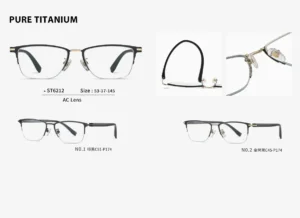
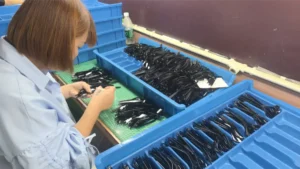
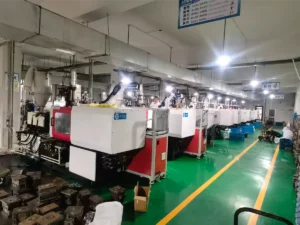
The blue light blocking glasses market has exploded from a niche wellness product to a mainstream consumer category worth over $22 billion globally. Fueled by the rise of remote work, increased screen time, and growing health consciousness, demand shows no signs of slowing. For importers and brand builders, this represents a significant opportunity—but one that requires navigating technical specifications, certification requirements, and a crowded supplier landscape. Here’s how to source blue light glasses effectively from China’s Wenzhou manufacturing cluster.
Understanding Blue Light: Science vs. Marketing
Before sourcing, it’s essential to understand what blue light blocking glasses actually do—and what claims are scientifically supported:
- Blue light spectrum — Blue light ranges from 380–500nm in wavelength. The most potentially harmful segment is 415–455nm (high-energy visible light), which is emitted by digital screens, LED lighting, and sunlight
- What the science says — While blue light from screens is far less intense than sunlight, prolonged exposure—especially in evening hours—can disrupt circadian rhythms and contribute to digital eye strain
- What blue light glasses actually do — They filter a percentage of blue-violet light (typically 20–80% depending on lens technology) while maintaining visual clarity and color accuracy
- What they cannot claim — In most regulated markets, blue light glasses cannot be marketed as preventing eye disease or macular degeneration without substantial clinical evidence
Sourcing tip: Ensure your marketing claims are aligned with the capabilities of the lens technology you source. Overstating protection levels invites regulatory scrutiny. To dive deeper into factory-level production capabilities, check out our B2B Guide to Sourcing Blue Light Reading Glasses & OEM Solutions.
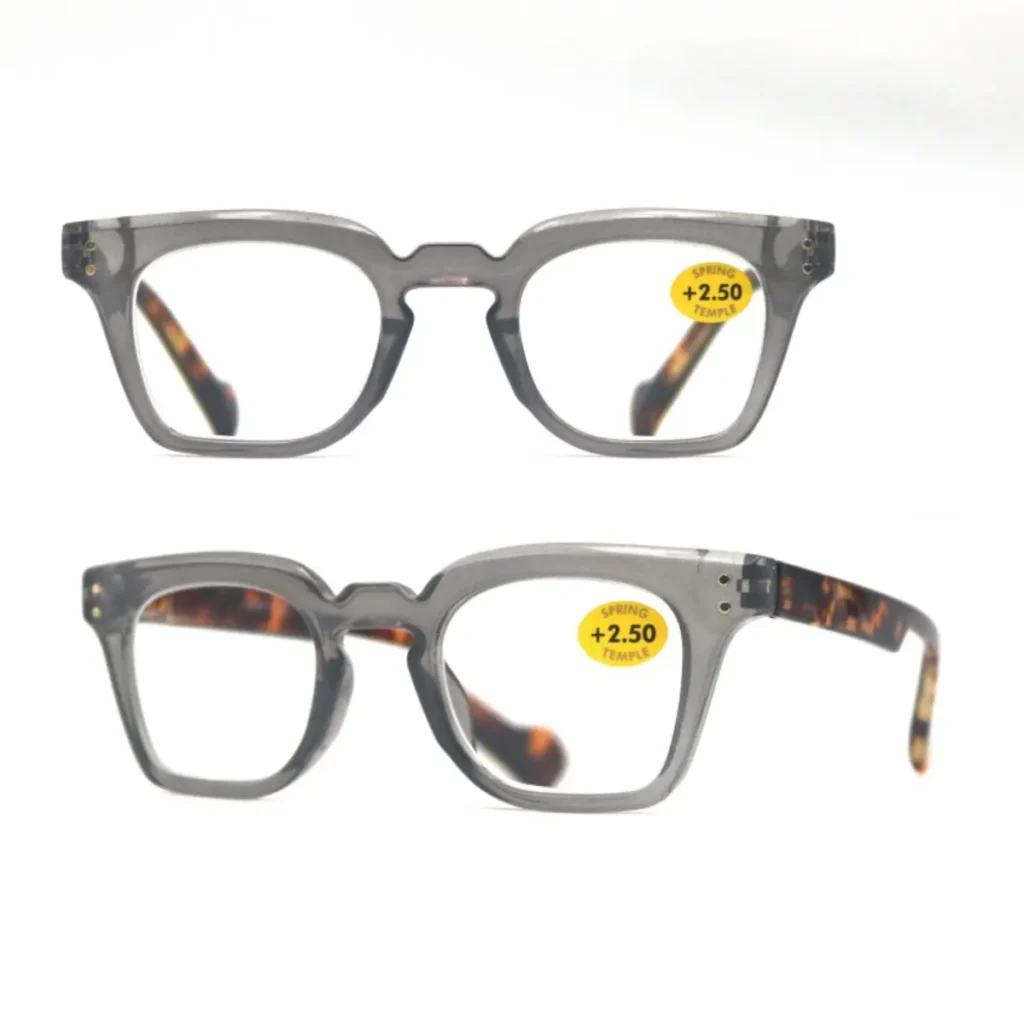
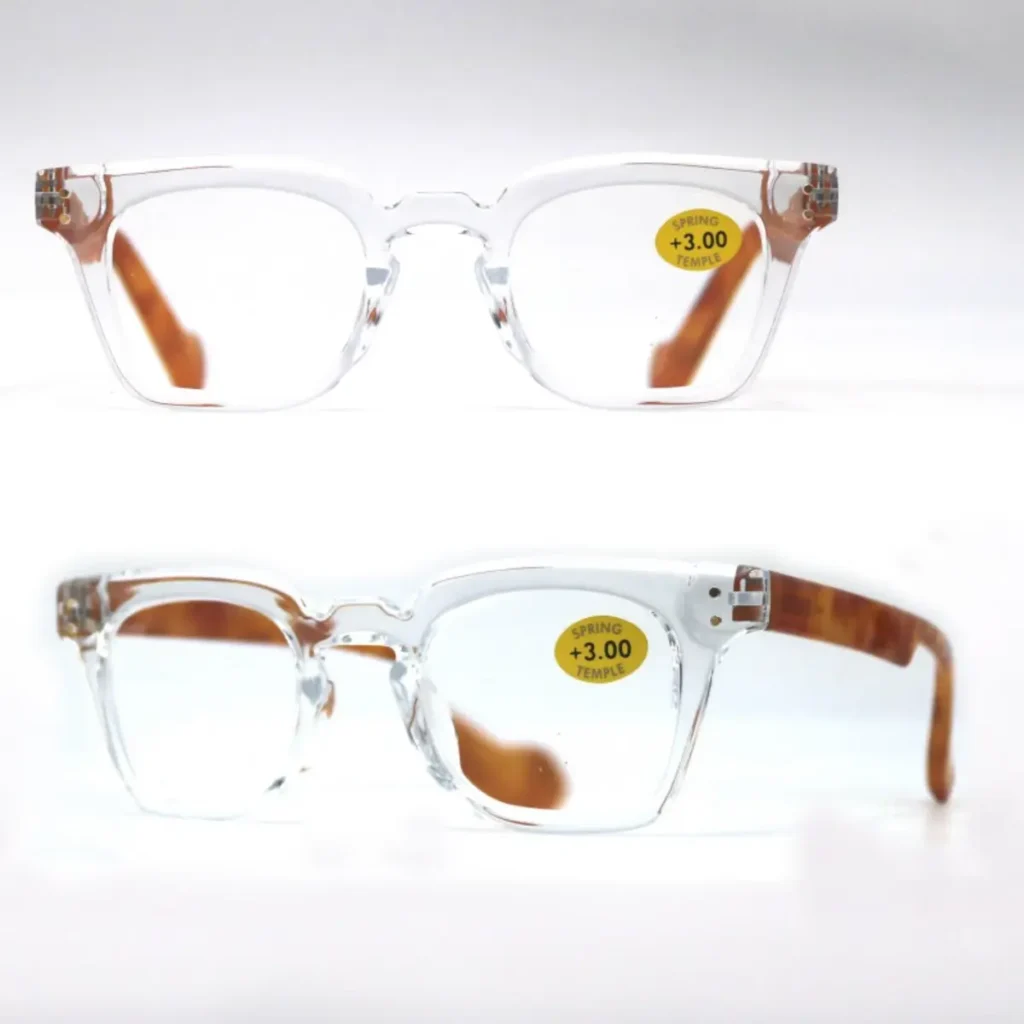
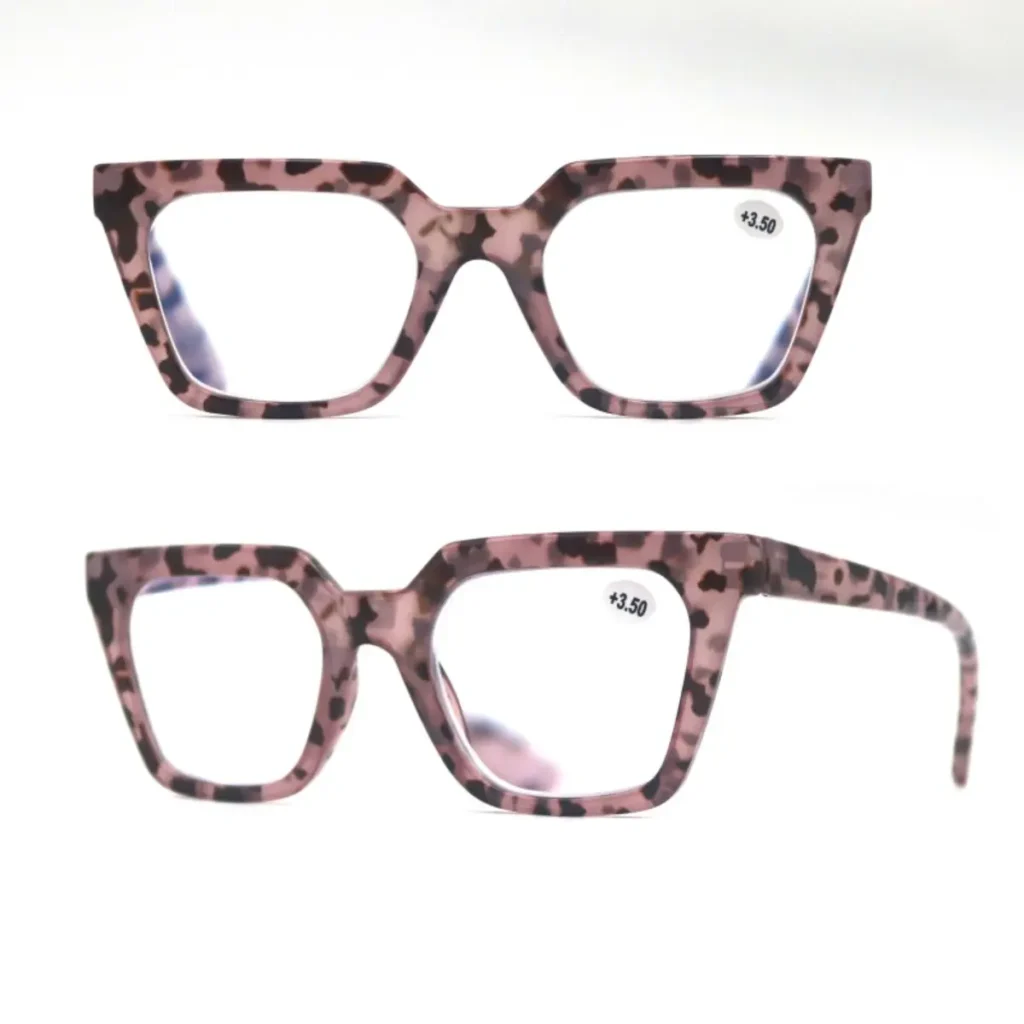
Blue Light Lens Technologies Available from Wenzhou
Wenzhou factories offer three primary blue light filtering technologies:
1. Coated Blue Light Lenses (Anti-Reflective Coating)
A multi-layer coating applied to the lens surface that reflects blue light. This is the most common and cost-effective option:
- Typical blue light blocking rate: 20–40%
- FOB cost: +$0.20–$0.50 per pair over standard clear lenses
- Pros: Affordable, minimal color distortion
- Cons: Coating can degrade over time; lower filtering percentage
2. Tinted Blue Light Lenses (Absorptive)
Lenses with a slight yellow or amber tint that absorbs blue light as it passes through the lens material:
- Typical blocking rate: 40–70%
- FOB cost: +$0.30–$0.80 per pair
- Pros: Higher filtering, no coating to wear off
- Cons: Noticeable tint may not appeal to all consumers
3. Embedded Blue Light Lenses (Substrate-Integrated)
Blue light filtering compounds are embedded directly into the lens substrate during manufacturing:
- Typical blocking rate: 50–80%
- FOB cost: +$0.80–$2.00 per pair
- Pros: Permanent protection, no coating degradation, excellent clarity
- Cons: Higher cost; not all Wenzhou factories have this capability
Frame Options for Blue Light Glasses
Blue light glasses have driven demand for frame styles that differ from traditional eyewear:
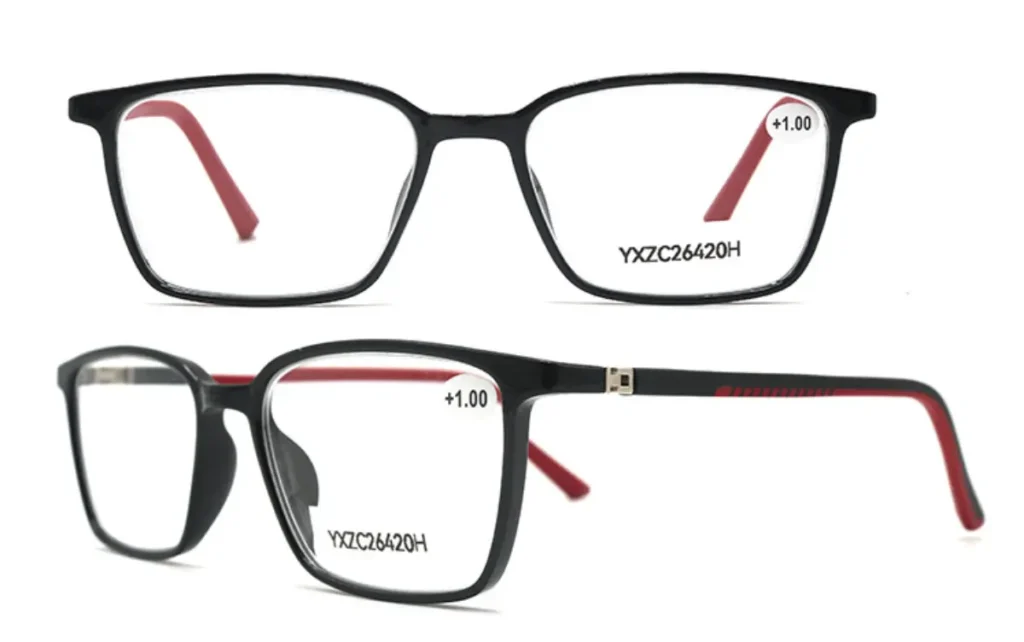
- Large rectangular frames — Designed to cover the full field of view when working at a monitor. TR-90 and acetate are popular materials
- Lightweight wire frames — Minimalist metal frames that appeal to professionals who wear them in office settings all day
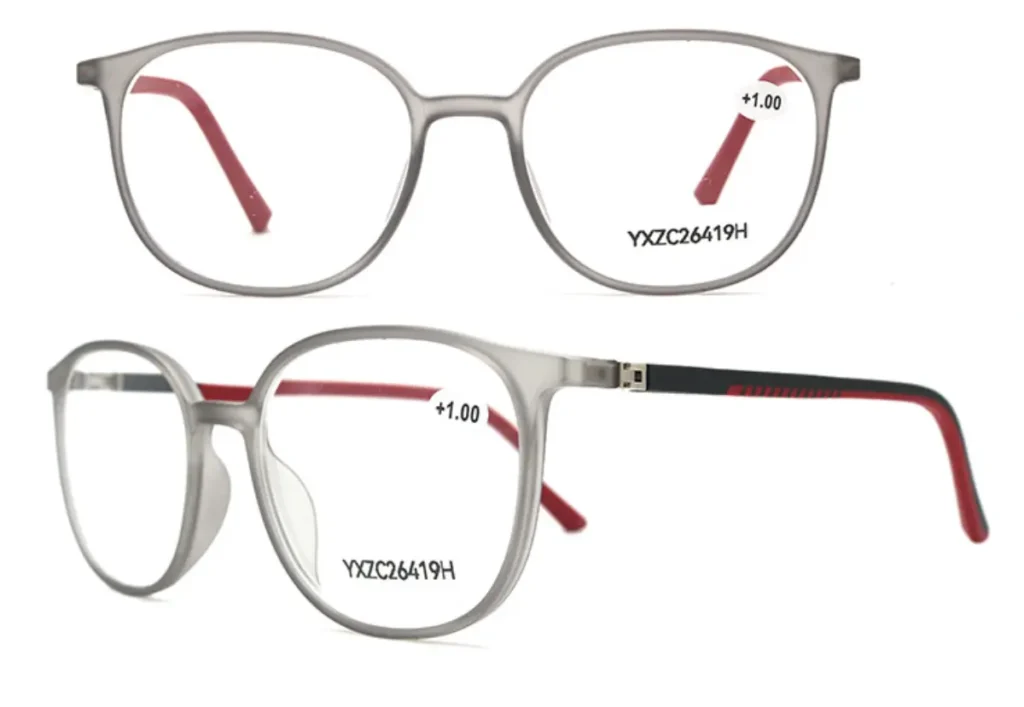
- Oversized round frames — Fashion-forward designs targeting younger consumers who want blue light protection with style
- Clip-on blue light filters — Attachable filters for existing prescription glasses, a growing sub-category
Testing & Certification Requirements
Blue light blocking claims must be substantiated. Key testing includes:
- Spectral transmittance testing — Measures the percentage of blue light blocked at different wavelengths. Typically reported at 415nm and 455nm. Cost: $100–$200 per lens type
- EN ISO 12312-1 compliance — European standard for sunglasses and related eyewear; applicable to blue light glasses marketed with protective claims
- ANSI Z80.3 — US standard for non-prescription sunglasses and fashion eyewear; relevant if making UV or light-protection claims
- FDA requirements — Blue light blocking glasses with magnification (reading glasses + blue light filter) are Class I medical devices in the US
Sourcing Gate coordinates all required testing through certified laboratories and provides complete documentation packages for customs and regulatory compliance.
Pricing Guide
| Configuration | FOB Price (per piece) | Typical Retail |
|---|---|---|
| Basic frame + coated lens | $1.00–$2.50 | $12–$25 |
| TR-90 frame + tinted lens | $1.50–$3.50 | $20–$40 |
| Premium acetate + embedded lens | $3.00–$7.00 | $35–$70 |
| Metal frame + embedded lens | $3.50–$8.00 | $40–$80 |
| Clip-on blue light filter | $0.80–$2.00 | $10–$20 |
Frequently Asked Questions
Can blue light glasses be combined with reading glasses?
Yes—this is one of the fastest-growing sub-categories. Wenzhou factories can produce reading glasses with integrated blue light filtering lenses at MOQs of 200–300 pieces per style. The combination is particularly popular in the +1.00 to +2.50 diopter range for consumers aged 40–60.
How do I verify the actual blue light blocking percentage?
Request a spectral transmittance report from the factory, then verify with independent testing at a certified laboratory (SGS, BV, or Intertek). The test costs approximately $100–$200 and provides a wavelength-by-wavelength breakdown of light transmission. Never rely solely on factory-provided data.
Ready to enter the blue light glasses market? Contact Sourcing Gate for factory-matched quotes, lens technology selection, and compliance support.
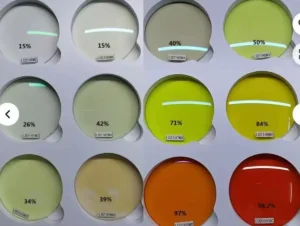
Sourcing Gate coordinates all required testing through certified laboratories and provides complete documentation packages for customs and regulatory compliance. For a quick visual breakdown of how these lenses perform under spectral testing.